In the rapidly evolving world of industrial lighting, safety ratings are crucial. Understanding "what are the safety ratings for industrial LED fixtures" helps ensure workplaces remain compliant and safe. Experts like Dr. Lisa Monroe, an authority in industrial lighting safety, emphasize, "Proper safety ratings are essential for preventing workplace accidents."
The safety of industrial LED fixtures not only impacts employee wellbeing but also affects operational efficiency. Low-quality fixtures may lead to higher risks and unsafe environments. Evaluating safety ratings offers insights into materials, design, and performance standards. Each fixture must undergo rigorous testing to establish its safety credentials.
Despite advancements, challenges persist. Some manufacturers may blur the lines between legitimate ratings and marketing claims. Determining safety ratings can be complex, leading to confusion. Companies need reliable information and expertise to avoid pitfalls. Understanding the nuances of safety ratings ultimately leads to safer workplaces and dependable lighting solutions.
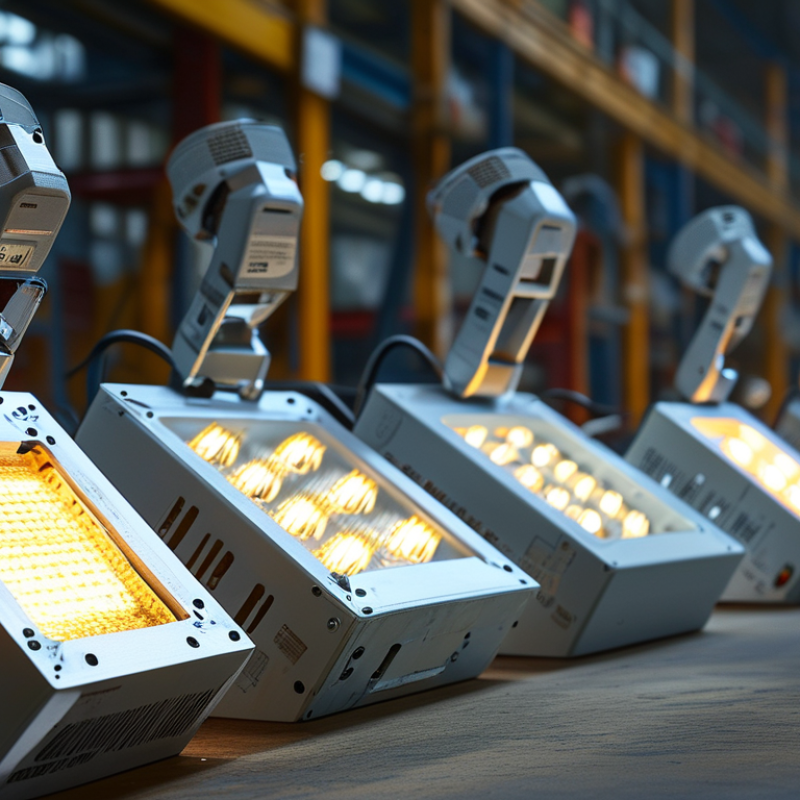
Industrial LED fixtures play a crucial role in ensuring
safety in workplaces. According to the U.S. Department of Labor,
improper lighting causes over 30% of workplace accidents.
Effective industrial lighting reduces risks associated with visibility issues. Enhanced illumination can significantly decrease
incidents related to slips, trips, and falls.
Many industrial environments require specific lighting standards. For example, the
Illuminating Engineering Society recommends a minimum of 100 foot-candles
for warehouse areas. However, achieving this often proves challenging. Some fixtures may not provide adequate brightness or uniformity.
Proper selection of LED fixtures ensures compliance with these guidelines, enhancing employee safety.
Additionally, maintenance plays a vital role in safety. Regular inspections can identify issues such as
flickering or dimming lights. Neglecting to address these problems can
lead to hazardous situations over time. Reports indicate that poorly maintained lighting systems lead to
increased accidents by 15%. Investing in high-quality LED fixtures is essential
for long-term safety and compliance in industrial settings.
When selecting industrial LED fixtures, safety regulations and standards play a crucial role. Understanding these standards ensures compliance and protects workers. Key safety standards often referenced include OSHA regulations, ANSI guidelines, and UL certifications. Each of these aims to enhance safety by setting benchmarks for the electrical components and overall design of the fixtures.
Tips: Always look for certification marks on fixtures. They indicate compliance with safety standards. Regularly check for updates on safety regulations to stay informed.
Another essential aspect is the importance of durability and material quality. Industrial environments can be harsh, exposing fixtures to dust, moisture, and extreme temperatures. Choosing fixtures with robust housing and the right ingress protection (IP) rating is vital. An improper selection might lead to failures, resulting in safety hazards.
Tips: Validate the fixture's IP rating based on your environment's specific needs. Consider the maintenance requirements too; some fixtures require more frequent checks than others.
When evaluating safety ratings for industrial LED fixtures, several critical criteria come into play. One essential factor is the fixtures' compliance with the National Electrical Code (NEC). Compliance ensures that these products adhere to safety standards, minimizing electrical hazards. A report by the U.S. Department of Energy highlighted that unsafe installations account for approximately 30% of electrical accidents in industrial settings. This statistic underlines the necessity of adhering to established codes.
Another important criterion is the fixture's impact resistance rating. Many industrial environments are subject to harsh conditions. Reports indicate that LED fixtures with a minimum IK09 rating significantly reduce the risk of breakage. This translates to lower maintenance costs over time. Yet, many products on the market fail to clearly communicate this rating, leading to potential safety oversights.
Moreover, the luminaire's thermal management is vital for safety. Heat buildup can pose a fire risk if not properly addressed. Studies suggest that fixtures with superior thermal designs can enhance longevity and performance. However, not all manufacturers disclose detailed thermal performance information. This lack of transparency presents a challenge for buyers aiming for safety and efficiency. Understanding these criteria can guide safer choices in selecting industrial LED fixtures.
In the search for industrial LED fixtures, safety ratings are crucial. High safety ratings ensure that the fixtures can withstand harsh conditions. According to the Lighting Research Center, approximately 28% of workplace injuries result from inadequate lighting. This statistic highlights the need for reliable lighting solutions in industrial environments.
Choosing fixtures with excellent safety ratings can significantly reduce risks. Many top-rated fixtures feature robust designs and high-quality materials. These fixtures undergo rigorous testing, ensuring compliance with safety standards. The National Fire Protection Association emphasizes that certified fixtures reduce fire hazards. Studies indicate that safety-rated LED fixtures can lower energy costs by up to 40%. This creates a dual impact—enhanced safety and reduced operational costs.
However, not all “safety-rated” products are created equal. Some may have misleading certifications or overlook key safety features. It’s essential for businesses to research thoroughly. Reviewing data from credible industry reports can lead to better decision-making. Engaging with experts or safety consultants can provide further insights into the best options available. The market is evolving, but caution is still necessary when selecting fixtures.
In industrial settings, LED fixtures play a key role in ensuring safety and efficiency. Proper usage can mitigate potential hazards. It’s important to assess the lighting needs specific to your workspace. Consider the height of ceilings, the intensity required, and the nature of tasks being performed. Well-placed lighting can prevent accidents and improve productivity.
Tips: Always ensure fixtures are rated for the specific environment. For instance, wet or dusty locations need special designs. Regularly inspect fixtures for wear and tear. This helps in identifying faulty units early. Consider using motion sensors to control lighting in less trafficked areas, which enhances both safety and energy efficiency.
In addition, encourage employees to report any flickering or dim lights. These can indicate an underlying problem. Reflect on how often maintenance is scheduled. A proactive approach promotes a safe working environment. Safety should never be compromised for convenience in industrial settings.
: Key standards include OSHA regulations, ANSI guidelines, and UL certifications. They ensure compliance and worker safety.
Look for certification marks on fixtures. These marks indicate they meet safety standards and regulations.
Durability is crucial in harsh industrial environments. Choose fixtures with robust housing and the right ingress protection rating.
Validate the fixture's IP rating based on your specific environmental needs, like moisture or dust exposure.
Proper placement helps prevent accidents. Assess the specific lighting needs based on your workspace's height and task nature.
Report any flickering or dim lights immediately. These issues can signal underlying problems that compromise safety.
Regular inspections are essential to identify wear and tear. Regular maintenance can prevent safety hazards down the line.
Yes, using motion sensors in less trafficked areas improves safety and energy efficiency while reducing the risk of accidents.
The article "2026 Best Industrial LED Fixtures Safety Ratings Explained" provides a comprehensive overview of the importance of safety in industrial LED fixtures. It discusses key safety standards and regulations that govern the design and application of these fixtures, ensuring they meet stringent safety requirements. The evaluation criteria for safety ratings in LED fixtures are explored, helping industry professionals understand what are the safety ratings for industrial LED fixtures and how they impact workplace safety.
Furthermore, the article highlights the top industrial LED fixtures of 2026 that exhibit excellent safety ratings, showcasing options that meet or exceed safety benchmarks. Best practices for the safe use of LED fixtures in industrial settings are also discussed, providing guidance to enhance workplace safety and efficiency. This knowledge is essential for maintaining compliance and ensuring a safe working environment in various industrial applications.
