2026 Top Outdoor Commercial LED Bulbs Why IP Rating Matters?

Time:2026-09-07 Author:Ethan
0%

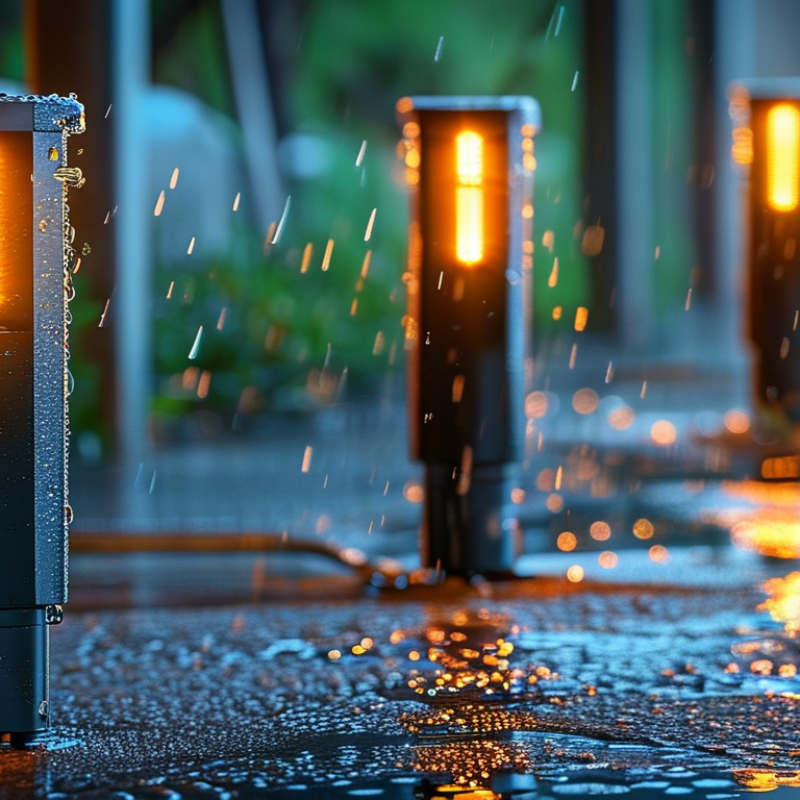
Outdoor commercial lighting is exposed to rain, dust, pressure washing, condensation, and sudden temperature changes. A parking-lot fixture may look sealed during installation, yet water can enter through a damaged gasket months later. This is why is ip rating important for outdoor commercial led bulbs becomes a practical purchasing question, not a technical decoration.

The International Electrotechnical Commission’s IEC 60529 standard defines IP protection against solid particles and water. The first digit measures dust resistance, while the second measures water resistance. For example, an IP65 bulb is dust-tight and protected against water jets. It is not automatically suitable for underwater use. That distinction matters near loading docks, garden paths, and exposed building façades.

Industry data supports careful selection. The U.S. Department of Energy’s solid-state lighting forecasts identify LEDs as major contributors to future lighting-energy savings, but efficiency depends on reliable operating conditions. The U.S. Environmental Protection Agency’s ENERGY STAR requirements also emphasize performance, durability, and appropriate application testing. Meanwhile, IES standards such as LM-80 and TM-21 help evaluate LED package maintenance over time.

IP rating is only one part of the decision. Thermal design, surge protection, driver quality, lumen maintenance, and installation practice also influence service life. A high rating cannot repair poor drainage or an incorrectly tightened cable gland. That is easy to overlook.

This guide examines how IP classifications affect commercial LED bulb selection, maintenance planning, and long-term operating costs in 2026. It also questions a common assumption: the highest IP number is not always the most economical choice.

2026 Top Outdoor Commercial LED Bulbs Why IP Rating Matters?

What Makes a Commercial LED Bulb Ready for Outdoor Use?

2026 Top Outdoor Commercial LED Bulbs: Why IP Rating Matters?

A commercial LED bulb is ready for outdoor use when its protection matches the installation, not just the product label. The IP code measures resistance to solid particles and water. The first digit protects against dust. The second addresses moisture. An IP65 bulb resists dust and water jets, making it suitable for covered walkways, signs, and exterior fixtures. IP66 offers stronger water-jet protection. IP67 can handle temporary immersion, but it does not automatically suit every exposed location.

Real outdoor readiness involves more than the IP rating. Inspect the socket, gasket, cable entry, and fixture housing together. A sealed bulb cannot compensate for a cracked enclosure. UV exposure can weaken plastic parts over time.

Heat also matters, especially inside enclosed fixtures during summer afternoons. Check the bulb’s rated temperature range and ventilation requirements. Follow applicable electrical standards and the manufacturer’s installation instructions.

A high IP number can mislead.

During site checks, installers sometimes focus on rain while ignoring condensation. Moisture may collect inside a cool fixture after sunset. Drainage, correct mounting, and regular inspection reduce that risk. Even experienced teams can overlook a loose seal after maintenance. Outdoor commercial lighting needs documented testing, suitable materials, and careful installation. The perfect rating on paper can still fail in a poorly maintained fixture.

How IP Ratings Measure Protection Against Dust and Water

2026 Top Outdoor Commercial LED Bulbs: Why IP Rating Matters?

How IP Ratings Measure Protection Against Dust and Water

For commercial outdoor LED bulbs, brightness is only part of the decision. The IP rating shows how well a housing resists solid particles and moisture. Under IEC 60529, the first digit measures protection against dust. The second digit measures water resistance. Higher numbers usually indicate stronger protection, but they do not guarantee perfect performance.

An IP65 fixture is dust-tight and protected against water jets. IP66 offers stronger water-jet protection. IP67 can withstand temporary immersion, but it may not handle powerful jets as well as IP66.

This detail is often missed. Numbers need context. Water finds gaps.

During outdoor site inspections, I check more than the printed rating. I look for cracked seals, loose cable entries, and water collecting above the bulb. A certified IP rating applies to the tested enclosure, not always to a damaged installation. Even an IP-rated bulb can fail when condensation remains trapped inside a poorly ventilated fitting. That mistake is easy to make.

Weather, cleaning routines, and mounting position also affect service life. A bulb under a roof may face less rain but more dust and heat. A parking-area fitting may need stronger protection from wash-down spray. IP ratings help compare products, yet they cannot replace correct installation and regular inspection. I would also verify the test documentation, because marketing language alone can be incomplete.

How to Read IP Codes When Selecting Outdoor LED Bulbs

2026 Top Outdoor Commercial LED Bulbs: Why IP Rating Matters?

An IP code shows how well an outdoor LED bulb resists dust and water. The first digit measures protection against solid particles. The second digit measures protection against moisture. For example, IP65 means dust-tight protection and resistance to water jets. It does not mean the bulb can remain underwater.

Read each digit separately. IP54 offers limited dust protection and resistance to splashing water. IP67 adds strong dust protection and temporary immersion protection. However, IP67 does not automatically protect against powerful water jets. Small details matter. An IPX4 code confirms water protection, but provides no stated dust rating.

In commercial installations, inspect the bulb, socket, cable entry, and sealing gasket together. A weather-resistant bulb can still fail inside an open fixture. Condensation may collect after a cold night. Direct sunlight can also weaken seals over time. I have seen clean-looking housings with corroded contacts inside. That mistake is easy to miss.

Match the rating to the location. Covered walkways may need less protection than exposed signs or parking areas. Check the manufacturer’s test documentation and local electrical requirements. Installation angle matters too. A downward-facing socket can shed rain better than an upward-facing one. Do not rely on the IP number alone. Examine the whole installation.

Which IP Rating Fits Different Commercial Outdoor Environments?

Commercial outdoor LED bulbs need the right IP rating for their surroundings, not the highest number available. IEC 60529 defines IP protection against solids and water.

IP44 suits covered walkways, where splashes occur but direct rain is limited.

IP54 offers better dust resistance for loading bays and sheltered parking areas.

IP65 blocks dust completely and withstands water jets, making it practical for exposed façades and service roads.

IP66 handles stronger water jets.

IP67 tolerates temporary immersion, which matters near drainage channels or flood-prone ground lighting.

Weather changes the decision. A coastal site adds salt spray, while a food-processing yard may require frequent washing. A high IP rating does not guarantee corrosion resistance or safe operation under every cleaning method. Check the complete fixture, cable glands, seals, and installation angle. The bulb alone may carry a different rating.

The U.S. Department of Energy’s Solid-State Lighting research reports show that LED efficacy can exceed 150 lumens per watt in advanced products. Energy savings still depend on reliable protection. One failed seal can darken a busy entrance and increase maintenance costs.

The International Energy Agency reports that lighting remains a major electricity load worldwide, so durable efficiency matters. IP65 is often a sensible baseline, but not a universal answer. IP68 can be excessive indoors and may complicate replacement. I have seen specifications choose numbers instead of site conditions. That is worth reconsidering.

How to Compare Outdoor LED Bulbs for Durability and Efficiency

When comparing outdoor commercial LED bulbs, start with exposure. A covered walkway needs less protection than a coastal loading area. IEC 60529 defines IP65 as dust-tight protection against water jets, while IP67 adds temporary immersion protection. IP67 is not automatically better. Its sealed housing may reduce heat dissipation if thermal design is weak.

Check the complete specification, not only the IP label. Ask whether the rating covers the bulb, socket, cable entry, and driver assembly. The U.S. Department of Energy reports that LED lighting can use at least 75% less energy and last up to 25 times longer than incandescent lighting. Those figures describe LED technology broadly, not every outdoor product. Actual efficiency depends on operating temperature, optics, voltage stability, and maintenance.

Compare delivered lumens per watt at the stated ambient temperature. A bulb producing 120 lumens per watt in a laboratory may perform differently above a hot pavement. Review LM-80 testing and TM-21 projections for LED package lumen maintenance. Also inspect surge protection, corrosion resistance, and operating hours. I would record light output after one season. That field check often reveals what a data sheet misses. Small details matter. A higher IP rating helps, but balanced thermal management and verified lumen maintenance usually decide long-term value.

FAQS

: What does an IP rating measure?

: The first digit measures solid-particle protection. The second digit measures water protection. Higher numbers usually indicate stronger resistance. Numbers need context.

What does IP65 mean for an outdoor LED bulb?

IP65 means the housing is dust-tight. It also resists water jets. It does not permit underwater operation. Water finds gaps.

Is IP67 always better than IP66?

Not always. IP67 supports temporary immersion. IP66 offers stronger protection against powerful water jets. Choose according to the site’s actual exposure.

What does IPX4 tell me?

IPX4 confirms protection against splashing water. The “X” means no dust rating is stated. Ask for separate dust-test information before purchasing.

Should I inspect more than the bulb’s IP label?

Yes. Inspect the socket, gasket, cable entry, and driver assembly. Look for cracked seals and loose cable entries. A certified housing can still fail after poor installation.

How can mounting position affect outdoor bulb life?

A downward-facing socket sheds rain more effectively. An upward-facing socket may collect water above the bulb. Covered areas may receive less rain but more dust and heat.

Can condensation damage an IP-rated bulb?

Yes. Condensation can remain trapped inside a poorly ventilated fitting. Cold nights may create moisture inside clean-looking housings. I might trust the rating too much without checking ventilation.

What should I compare besides IP protection?

Compare delivered lumens per watt at the stated temperature. Review thermal design, surge protection, corrosion resistance, and operating hours. Laboratory results may not match hot pavement conditions.

How can I check long-term LED performance?

Review LM-80 testing and TM-21 projections for lumen maintenance. Record light output after one season. That field check can expose problems hidden by a datasheet.

Conclusion

Choosing the right outdoor commercial LED bulb requires more than checking brightness and energy efficiency. A bulb designed for outdoor use should have durable housing, reliable heat management, UV resistance, and protection against moisture, dust, and temperature changes. This is why is ip rating important for outdoor commercial led bulbs: the IP code clearly indicates how well the product is sealed against solid particles and water. The first digit measures dust protection, while the second shows resistance to moisture, sprays, jets, or temporary immersion.

When selecting bulbs for different environments, consider the exposure level. Covered walkways may need moderate protection, while parking areas, signs, loading zones, and coastal or rainy locations often require a higher IP rating. Compare products by examining their IP code, operating temperature range, material quality, expected lifespan, light output, and energy consumption. A well-matched IP rating helps reduce maintenance, prevent premature failure, and support consistent lighting performance in demanding commercial outdoor applications.

Ethan

Ethan

Ethan is a seasoned marketing professional with a deep expertise in our company's innovative product line. With a passion for sharing knowledge and insights, he takes the lead in regularly updating our corporate blog, where he explores industry trends, product features, and effective marketing......