In today's manufacturing landscape, energy efficiency is crucial. Upgrading to LED lighting can significantly reduce costs. Businesses often ask how to calculate payback period for factory LED upgrade. Understanding this metric is vital for making informed decisions.
The payback period measures the time it takes for an investment to pay for itself. For a factory, this means analyzing the reduction in energy bills. It also involves calculating installation costs. These figures can appear complex, but breaking them down simplifies the process.
Understanding the payback period helps factories evaluate investment feasibility. Yet, it is not a perfect measure. External factors, like changing energy rates, can complicate calculations. Thus, a thorough analysis enhances decision-making, ensuring cost-effective upgrades.
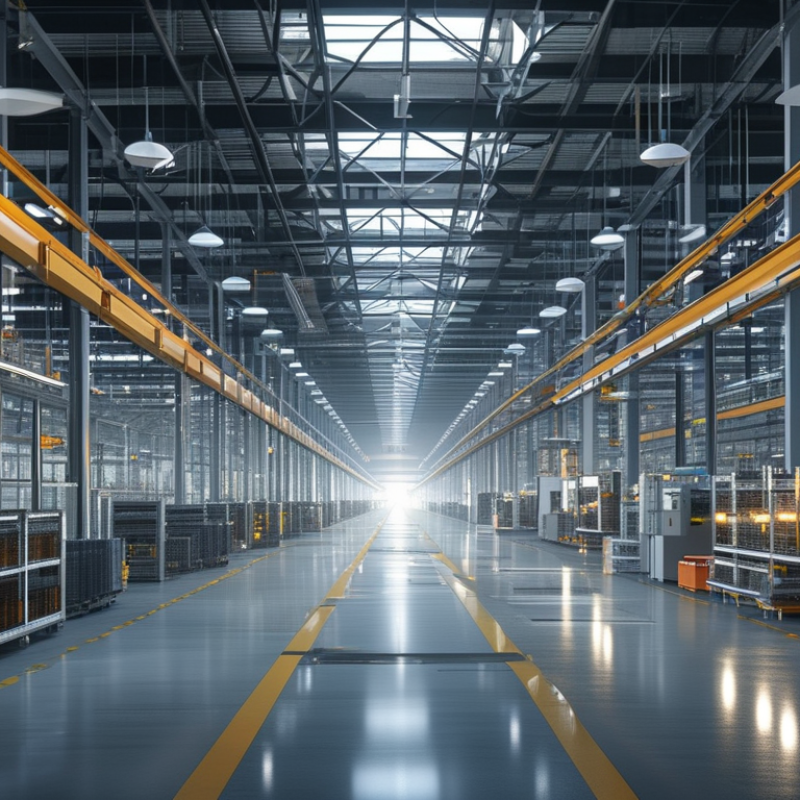
Upgrading to an LED factory can be a hefty investment. Various costs must be assessed beforehand. Start by calculating expenses for new equipment. This includes lighting fixtures and controls. Installation costs should also be included. These can vary depending on factory size and layout.
Consider maintenance expenses as well. LEDs typically require less upkeep. However, training staff on new systems is essential. Unexpected costs can arise. Perhaps an unplanned facility modification is needed. Always set aside extra funds for these possibilities.
**Tips:** To ensure a comprehensive cost analysis, involve multiple departments. Gather input from operations, finance, and engineering. This collective approach can reveal hidden costs. Regularly review your estimates as you gather more information. Getting quotes from several suppliers can provide better insights into material costs.
| Cost Item | Estimated Cost ($) | Annual Savings ($) | Payback Period (Years) |
|---|---|---|---|
| LED Lighting Fixtures | 50,000 | 15,000 | 3.33 |
| Installation Costs | 10,000 | 0 | N/A |
| Maintenance Costs (Annual) | 2,000 | 0 | N/A |
| Operational Cost Savings | 0 | 5,000 | 0 |
| Total | 62,000 | 20,000 | 3.10 |
Upgrading to LED lighting can lead to significant energy savings. Many factories, for instance, report reduced energy consumption by 25-50% after switching to LED. This can translate into lower electricity bills and a quicker return on investment. It's crucial to conduct a thorough assessment of current lighting systems before implementation. Each factory has unique needs and energy costs.
When estimating energy savings, you must consider multiple factors. Calculate the wattage of existing lights and the energy costs per kilowatt-hour. Comparing this with the wattage of LED fixtures provides a clearer picture. Unexpected variables can arise, such as installation costs or maintenance schedules, which might affect overall savings. Tracking these can help in pinpointing areas for improvement.
Additionally, it’s essential to reflect on the long-term benefits. Although the initial costs for LED upgrades may seem high, the ongoing savings often compensate for this expenditure. Businesses that overlook these costs might underestimate the true benefit of switching to LED. A comprehensive analysis ensures that the move to LED is both cost-effective and environmentally responsible.
Calculating the initial investment for an LED factory upgrade is crucial for understanding its financial viability. Potential costs include new lighting systems, installation, and maintenance. Recent studies suggest that the average cost of upgrading to LED technology can range from $2 to $5 per square foot. For a factory of 100,000 square feet, this translates to an initial investment between $200,000 and $500,000.
It's vital to consider additional elements. Labor costs and disposal fees for old equipment can add another 10-20% to the overall expenses. Moreover, energy consumption savings can vary widely. Reports indicate that LED lighting can reduce energy usage by 50-70%. These savings can often offset initial costs over time, but calculating them accurately requires detailed energy audits.
Environmental impacts also play a role. Upgrading to LED not only reduces operational costs but also lowers carbon footprints. According to the U.S. Department of Energy, switching to LEDs can decrease greenhouse gas emissions significantly over the lifespan of the product. However, managers must reflect on whether the execution of such upgrades aligns with long-term business strategy and sustainability goals. Balancing cost, environmental factors, and operational efficiency is essential.
When calculating the payback period for an LED factory upgrade, understanding cash flows is crucial. Cash flows indicate the actual money coming in and going out from the operation. To start, identify your initial investment. This amount could include costs such as equipment purchases, installation fees, and any necessary infrastructure improvements.
Next, project future cash inflows generated by the upgrade. Consider factors like energy savings and potential increases in production efficiency. These savings sometimes fluctuate, making precise estimates challenging. Track monthly or yearly cash flows for accuracy. Look at historical data to make informed predictions, but be ready to adjust based on market conditions.
While it's essential to focus on the positive aspects, one must recognize potential pitfalls. Unexpected maintenance costs can arise. Also, economic downturns may impact production. Regularly reviewing cash flow projections helps manage risks. Continuous monitoring leads to more reliable data. Adjust your strategy as needed. This will ensure that your investment remains worthwhile over time.
Calculating the payback period for an LED factory upgrade involves a straightforward formula. The payback period is the time it takes for an investment to generate enough cash flow to recover its initial cost. The formula is simple: Payback Period = Initial Investment / Annual Cash Inflow. This calculation helps decision-makers assess the feasibility of the upgrade.
According to a report by the Energy Efficiency Market Report, energy-efficient LED lighting can save up to 75% in energy costs compared to traditional lighting. Suppose an LED upgrade costs $100,000 and generates an annual cash inflow of $25,000 through energy savings. The payback period for this upgrade would be four years.
While this approach offers clarity, it may overlook factors like maintenance costs or the potential for additional savings through incentives. Industry analysts warn that expectations around energy cost savings vary widely. A thorough examination of all variables is crucial for an accurate assessment. Investing in LED technology promises significant benefits but requires a realistic look at financial projections.
: Key costs include new equipment, installation, and potential maintenance expenses. Unexpected facility modifications may also arise.
Assess current lighting wattage and energy costs. Compare these with LED wattage for a clearer savings picture.
Training is essential to ensure staff can efficiently operate new systems and understand maintenance requirements.
Consider initial investment, annual cash inflow, maintenance costs, and any potential savings from incentives.
Many factories see a reduction of 25-50% in energy consumption, leading to lower electricity bills over time.
Avoid overlooking hidden costs and unexpected expenses. Regularly review and adjust estimates as new information arises.
Yes, while initial costs may be high, ongoing savings can often compensate for them over time.
Involve multiple departments for a comprehensive analysis and gather quotes from several suppliers for better insights.
Installation costs can vary significantly based on the specific layout and size of the factory being upgraded.
Yes, a realistic look at all factors is crucial for accurate financial projections related to LED technology investments.
In the article "How to Calculate Payback Period for LED Factory Upgrade," the focus is on the essential steps needed to determine the financial viability of upgrading to LED lighting in a factory setting. To begin with, it's crucial to identify all costs associated with the upgrade, including equipment and installation expenses. Following this, estimating energy savings resulting from the implementation of LED technology is vital as these savings contribute directly to the financial returns.
Further, calculating the initial investment provides a clearer picture of what will be spent upfront. Once these costs are established, determining cash flows over time becomes necessary to assess the ongoing financial benefits. Finally, the article presents a straightforward formula to calculate the payback period, allowing factory managers to evaluate how long it will take to recoup their investment from energy savings. This structured approach ensures a comprehensive understanding of how to calculate payback period for factory LED upgrade, empowering decision-makers to make informed choices.
