When considering effective lighting solutions, understanding how to choose between high bay and low bay LED is crucial. According to the U.S. Department of Energy, proper lighting can reduce energy consumption by up to 75%. High bay and low bay LEDs cater to different ceiling heights and lighting needs. High bays are typically used in spaces with ceilings over 15 feet, perfect for warehouses or manufacturing facilities. Low bays serve areas with lower ceilings, providing sufficient illumination to retail stores and garages.
Moreover, high bay lighting typically offers higher lumens output, making it efficient for larger spaces. In contrast, low bay LEDs focus on distributing light efficiently at closer ranges. The Lighting Research Center found that integrating LED technology also improves lifespan and lowers maintenance costs. However, casual decisions can lead to energy inefficiency or insufficient brightness. Evaluating specific space needs is essential. Can one size really fit all? This article aims to guide you through the nuances of selecting the right fit for your lighting project.
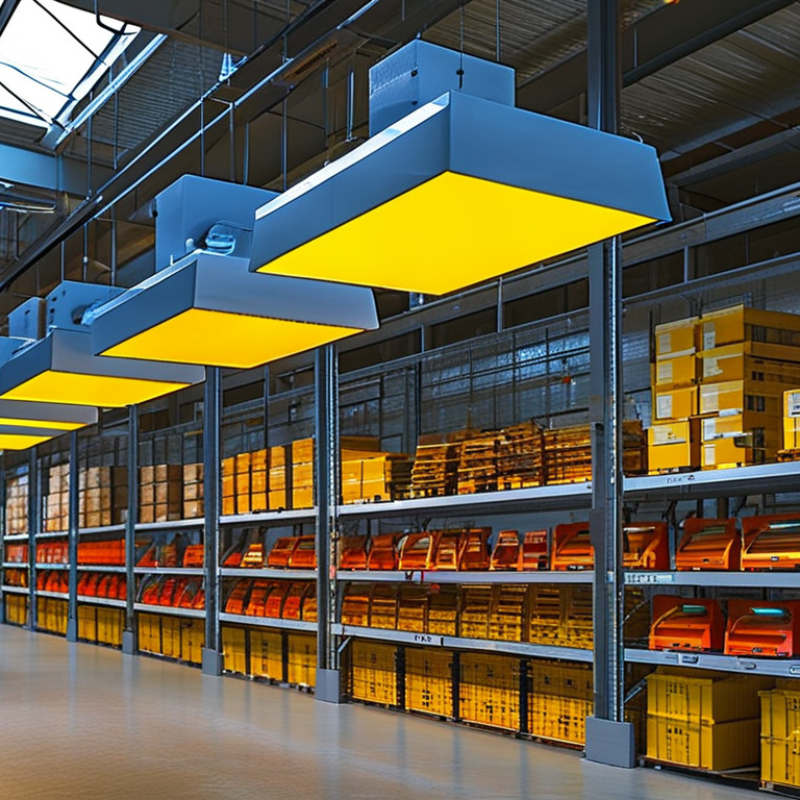
High bay and low bay lighting serve distinct needs in commercial and industrial spaces.
High bay lights are typically used in areas with ceilings taller than 15 feet. They are ideal for warehouses and gymnasiums.
Low bay lights, on the other hand, are suited for spaces with lower ceilings, generally under 15 feet. Retail stores and workshops often utilize low bay lighting.
When considering efficiency, high bay LEDs can save up to 75% on energy costs compared to traditional lighting, according to a report by the Department of Energy.
In contrast, low bay LEDs also reduce energy consumption significantly. This makes them an attractive option for enterprises aiming to lower overhead costs.
Understanding the nuances between these two types of lighting can impact a facility's energy bills and overall functionality.
Mounting height is a crucial factor in choosing the right lighting.
High bay lights cast light over larger areas, while low bay lights provide focused illumination.
Misjudging this can lead to insufficient brightness or over-illumination. It’s essential to assess each space's requirements carefully to avoid common pitfalls.
Balancing these factors can lead to improved visibility and safety in the workplace.
Choosing between high bay and low bay LED lighting involves careful consideration of several factors. Key among these is the mounting height. High bay lights are typically installed in spaces with ceilings over 15 feet. They provide excellent illumination in warehouses and industrial areas. Low bay lights are best for heights between 8 and 15 feet. They are ideal for retail spaces and lower ceilings.
Another essential factor is the light output. According to the Illuminating Engineering Society, high bay LEDs generally produce between 15,000 and 30,000 lumens. This performance suits larger areas needing bright, even light. In contrast, low bay LEDs offer 3,000 to 10,000 lumens. This output is often sufficient for smaller rooms. Assessing your environment ensures appropriate light levels.
Energy efficiency also plays a critical role. The U.S. Department of Energy reports that LED lighting can save up to 75% in energy costs compared to traditional lighting. However, not all LEDs are created equal. Some may underperform or have shorter lifespans. Understanding the specifications and efficiency ratings of the fixtures is crucial. Proper evaluation helps avoid potential pitfalls and ensures long-term benefits for your lighting needs.
When choosing between high bay and low bay LED lighting, evaluating the height and size of your space is crucial.
High bay lights are ideal for areas with ceilings over 15 feet, like warehouses or gymnasiums. They provide wide illumination, which reduces shadow and increases safety.
Low bay lights work best for spaces with ceilings between 8 to 15 feet. This makes them suitable for retail stores and workshops.
Consider the layout of your area. Wide open spaces benefit from high bay fixtures.
In contrast, low bay lights suit smaller, more enclosed areas. Measure ceiling heights accurately. An underestimation might result in insufficient lighting levels. This can affect productivity and safety.
Tips: For high ceilings, aim for a fixture spacing of 15 to 20 feet. For lower ceilings, keep fixtures closer together to ensure even light distribution.
Think about how your space is used daily. Spaces with heavy foot traffic may need brighter lighting to reduce accidents. Balance aesthetics with functionality. Light placement can impact the atmosphere. Visualize how different heights will affect your environment.
When considering high bay vs. low bay LED lighting, energy efficiency is a critical factor. High bay lights are designed for ceilings over 20 feet, ideal for warehouses and large spaces. According to a 2022 study from the Department of Energy, high bay LEDs can have an efficacy rating of 120 lumens per watt or higher. This efficiency translates to significant energy savings over conventional lighting systems.
On the other hand, low bay lighting, which is optimal for ceilings below 20 feet, typically achieves around 80 to 100 lumens per watt. This punchy difference can lead to increased operational costs in low bay scenarios. A case study from a retail store found that switching to high bay LEDs reduced energy costs by 50% when compared to outdated fluorescent options. However, one aspect that needs reflection is the initial investment; high bay fixtures often require a bigger upfront cost, which some businesses may find daunting.
Cost-effectiveness is another area worth discussing. While high bay lights save energy, their installation and maintenance can be complicated. Conversely, low bay lights are generally more straightforward to install. This simplicity could appeal to smaller businesses. Yet, if space and ceiling height allow, high bay benefits may outweigh initial hurdles. Analyzing long-term costs thus becomes crucial for decision-making, focusing on both energy bills and lifespan of fixtures.
When selecting between high bay and low bay LED lighting, it’s crucial to understand their specific applications.
High bay lights are typically designed for spaces with ceilings that exceed 15 feet. They are ideal for warehouses,
manufacturing facilities, and large retail areas. Research indicates that high bays can significantly reduce energy costs,
with some reports showing up to 60% savings compared to traditional lighting.
Their design allows for effective light distribution over extensive areas, which is essential for environments
where operational safety is a priority.
Low bay lights, on the other hand, suit areas with lower ceilings, usually between 8 to 15 feet.
These fixtures are perfect for spaces like gyms, auditoriums, or shops. The lighting angle is optimized for shorter distances,
and they often provide a more focused illumination. According to industry data, low bay fixtures contribute to
enhanced visibility in spaces where people move frequently, making them more user-friendly. It’s noted, however, that
these lights may not be as energy-efficient in larger open areas if positioned incorrectly.
Choosing the right fixture also involves considering mounting heights and light distribution needs. For instance,
poor placement of low bay lights can lead to dark spots in larger spaces, while high bay lights might create glare in
lower ceilings. Understanding the specific requirements of your environment helps in making an informed decision,
ensuring safety and functionality. Each choice presents unique challenges deserving careful evaluation.
: High bay lights are ideal for areas with ceilings over 15 feet, like warehouses or gymnasiums.
Low bay lights work best in spaces with ceilings under 15 feet, such as retail stores and workshops.
High bay LEDs can save up to 75% on energy costs compared to traditional lighting.
Mounting height impacts how much area is illuminated. Misjudging it can result in poor lighting.
Measure ceiling height and assess the layout. Know the space’s usage to avoid poor visibility.
High bay lights typically achieve over 120 lumens per watt, while low bay lights range from 80 to 100.
High bay lights may need complex installation. Low bay lights are generally easier to install.
Balance is key. Light placement affects both safety and the overall atmosphere of the space.
Yes, high bay fixtures often require a higher upfront cost, which may be daunting for some businesses.
Underestimating ceiling height can lead to insufficient lighting, affecting productivity and safety.
When considering how to choose between high bay and low bay LED lighting, it's essential to understand the fundamental differences between these two lighting types. High bay lighting is typically used in spaces with ceilings higher than 15 feet, while low bay lighting is better suited for lower ceiling heights. Evaluating the height and size of your space is crucial for making the right selection that ensures optimal illumination.
Key factors to consider include energy efficiency and cost-effectiveness, as well as the specific applications suited for each lighting option. High bay lights excel in environments like warehouses and large retail spaces, whereas low bay lights are ideal for areas with lower ceilings, such as gymnasiums or workshops. By carefully assessing these elements, you can make an informed decision that meets your lighting needs effectively.
