When exploring why some LED corn bulbs are rated for enclosed fixtures, it's vital to understand their design and safety features. Industry expert Dr. Emily Hart, a lighting technology specialist, emphasizes, "The right rating ensures optimal performance and safety in various applications." This statement highlights the importance of proper ratings for these lighting solutions.
Enclosed fixtures can create heat buildup. Some LED corn bulbs are designed to handle this. This is crucial for maintaining longevity and efficiency. Failure to use the correct bulb can lead to decreased lifespan and safety risks. Users must ask: why are some LED corn bulbs enclosed fixture rated? The answer lies in their construction and intended use.
Misunderstanding these ratings can lead to poor choices. Consumers may purchase bulbs unsuitable for their fixtures. This choice can shorten lifespan and increase fire risks. Always check ratings for safety and performance. This careful consideration ensures effective lighting in enclosed spaces.
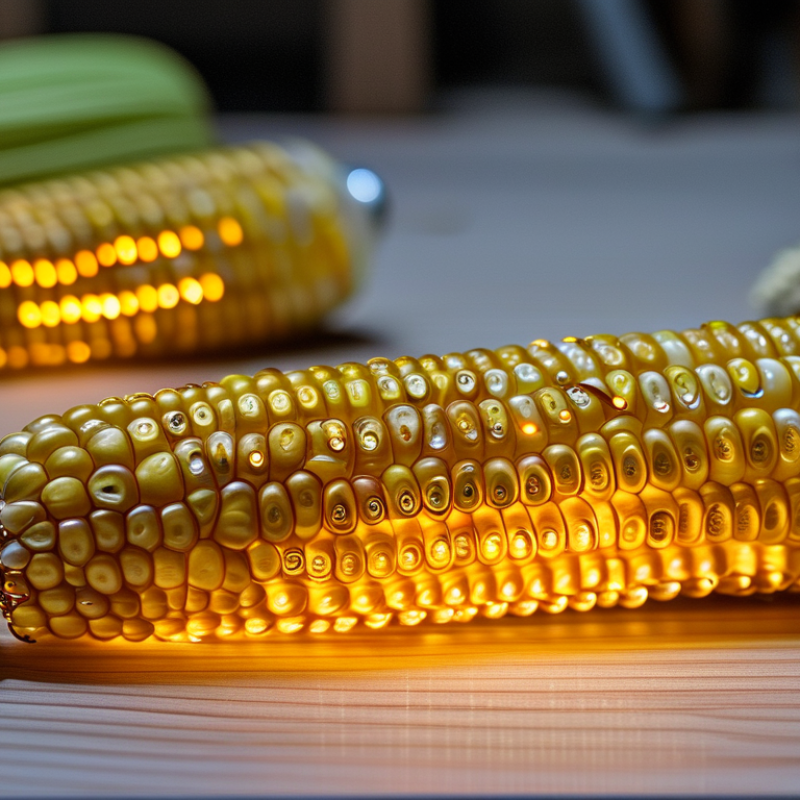
LED corn bulbs are increasingly popular due to their efficiency. They serve as a reliable lighting solution in various applications. However, not all LED corn bulbs are suitable for enclosed fixtures. Understanding this can help users make informed decisions.
Enclosed fixtures present unique challenges. Heat buildup can harm the lifespan of LED bulbs. Some LED corn bulbs are designed with advanced thermal management. These can withstand higher temperatures without compromising performance. Features like aluminum housing enhance heat dissipation. This makes them safer for use in enclosed spaces.
When selecting an LED corn bulb, consider its specifications carefully. Look for those rated for enclosed use to ensure longevity. A bulb rated for enclosed fixtures may also offer more reliable illumination. Users should research and compare options. Buying from trusted sources adds another layer of reliability to the decision-making process. These steps can prevent future issues related to overheating and efficiency.
In the world of LED lighting, fixture ratings play a crucial role. They help users understand the limits and capabilities of different bulbs. Some LED corn bulbs are designed specifically for enclosed fixtures. This design choice is essential. It helps to prevent overheating, which can severely shorten the lifespan of a bulb.
Enclosed fixtures trap heat, making it vital to select bulbs that can handle this condition. Proper fixture ratings ensure safety and durability. When a bulb is marked for enclosed use, it indicates rigorous testing. This testing evaluates performance under real-world conditions. A mismatch can lead to burning out and even fire hazards.
However, confusion often arises. Many people assume all LED bulbs are interchangeable. They may overlook ratings that matter. Not understanding these details can lead to mistakes. It’s not just about lighting an area; it's also about safety and efficiency. Awareness of fixture ratings promotes smarter choices in lighting applications.
LED corn bulbs designed for enclosed fixtures possess unique qualities. These bulbs are engineered to withstand heat buildup. In enclosed spaces, lighting can overheat. This overheating can reduce bulb lifespan and efficiency. However, certain LED corn bulbs incorporate heat dissipation technologies. This allows them to function effectively in these challenging environments.
The materials in these bulbs play a critical role. High-quality components help manage the internal temperature. For example, heatsinks are often used to draw heat away from sensitive parts. This design feature is vital for maintaining performance. Additionally, these bulbs are tested for safety. They meet strict standards for use in enclosed spaces.
Some users might question their effectiveness. Not all LED bulbs are suitable for enclosed use. It’s essential to verify product specifications. Checking for the “suitable for enclosed fixtures” label can guide you. Understanding the differences will lead to better choices. Ultimately, proper selection enhances both performance and safety in lighting.
| Feature | Description | Rating | Typical Applications |
|---|---|---|---|
| Heat Management | Designed with heat sinks to dissipate heat effectively. | Suitable | Outdoor fixtures, recessed lighting. |
| Material Quality | Made with durable materials that withstand high temperatures. | Approved | Lanterns, ceiling lights. |
| Ventilation Design | Features design elements that allow for air circulation. | Certified | Enclosed lamp fixtures, location where airflow is restricted. |
| Light Output | Provides high lumen output while staying cool. | High | Industrial lighting, parking garages. |
| Reliability | Longer lifespan with fewer failures in enclosed spaces. | Reliable | Indoor and outdoor applications. |
Enclosed fixtures can create unique challenges for LED corn bulbs. Heat management is critical in these environments. Unlike open fixtures, enclosed lights trap heat. This trapped heat can lead to overheating and reduced lifespan for LEDs. It's essential to consider how these bulbs dissipate heat to ensure their performance.
LED corn bulbs rated for enclosed fixtures incorporate advanced thermal management features. They may utilize heat sinks or specialized materials that help disperse heat effectively. This ensures that the bulbs maintain optimal operating temperatures. Users often overlook these aspects, leading to poor performance. Regularly checking the temperature of bulbs can help identify issues before they escalate.
Not all enclosed fixtures are created equal. Some may not allow adequate airflow, increasing heat levels even further. Lighting professionals suggest assessing compatibility before installation. Understanding the thermal dynamics at play can prevent premature bulb failure. Taking time to research heat management in enclosed fixtures can improve the reliability of your lighting solutions.
LED corn bulbs designed for enclosed fixtures have undergone rigorous safety standards and testing. These standards ensure that the bulbs can operate safely without overheating. The construction of these bulbs often includes improved heat dissipation features. This is crucial because enclosed spaces can trap heat, which may lead to failures in non-rated products.
The testing process for these bulbs includes simulations of various conditions. They are subjected to extreme temperatures and humidity levels. This thorough examination helps determine their durability and reliability in real-world scenarios. However, not all bulbs pass these tests. Some may exhibit signs of stress or degradation. This is a reminder that quality matters when choosing lighting solutions for enclosed environments.
While many LED corn bulbs are marketed as suitable for enclosed fixtures, consumers should look for certification labels. These labels indicate adherence to safety standards. Users should remain aware of the potential risks associated with using non-rated bulbs in confined spaces. It's essential to invest in reliable products to avoid safety hazards. Always prioritize safety over cost when selecting lighting for your home or business.
: Fixture ratings indicate a bulb’s limits and capabilities, ensuring safe use in different settings.
Enclosed fixtures trap heat, and using incompatible bulbs can lead to overheating and shorter lifespans.
They use features like heat sinks or special materials to dissipate heat effectively.
It can overheat, possibly causing bulb burnout or fire hazards.
Regularly check the temperature of the bulbs for any signs of overheating.
No, some may restrict airflow, leading to increased heat levels and performance issues.
Assess the bulb's compatibility and understand the thermal dynamics of the fixture.
Yes, misunderstanding ratings can lead to inefficiency and safety risks.
It can result in poor performance and potentially dangerous situations.
Research heat management and fixture ratings before making a purchase.
LED corn bulbs are versatile lighting solutions commonly used for various applications, but their suitability for enclosed fixtures raises important questions. The article explores why some LED corn bulbs are enclosed fixture rated, emphasizing the significance of fixture ratings to ensure safety and performance in different environments.
Understanding heat management is crucial, as enclosed fixtures can trap heat, potentially affecting bulb longevity and functionality. The article also delves into the safety standards and testing that these bulbs undergo to achieve their enclosed fixture ratings, highlighting the importance of compliance to prevent hazards. Ultimately, recognizing why some LED corn bulbs are enclosed fixture rated helps consumers make informed decisions about their lighting choices.
