LED corn light bulbs have gained popularity for their distinctive design. But why are LED corn light bulbs shaped like that? According to Dr. Samuel Bright, an expert in lighting technology, “The shape enhances light distribution and efficiency.” This unique silhouette mimics the traditional corn bulb, maximizing the surface area for LED chips.
The bulb's design is not just aesthetic. It influences performance in significant ways. The elongated form allows for better heat dissipation, essential for maintaining optimal function. Additionally, the arrangement of the diodes within the bulb helps create a more uniform light output, reducing shadows.
However, it is worth noting that this design is not without its critiques. While many appreciate the efficiency, some users find the light quality less than ideal. Dr. Bright emphasizes, “Each design has its strengths and weaknesses.” Understanding these nuances helps consumers make informed choices about their lighting needs.
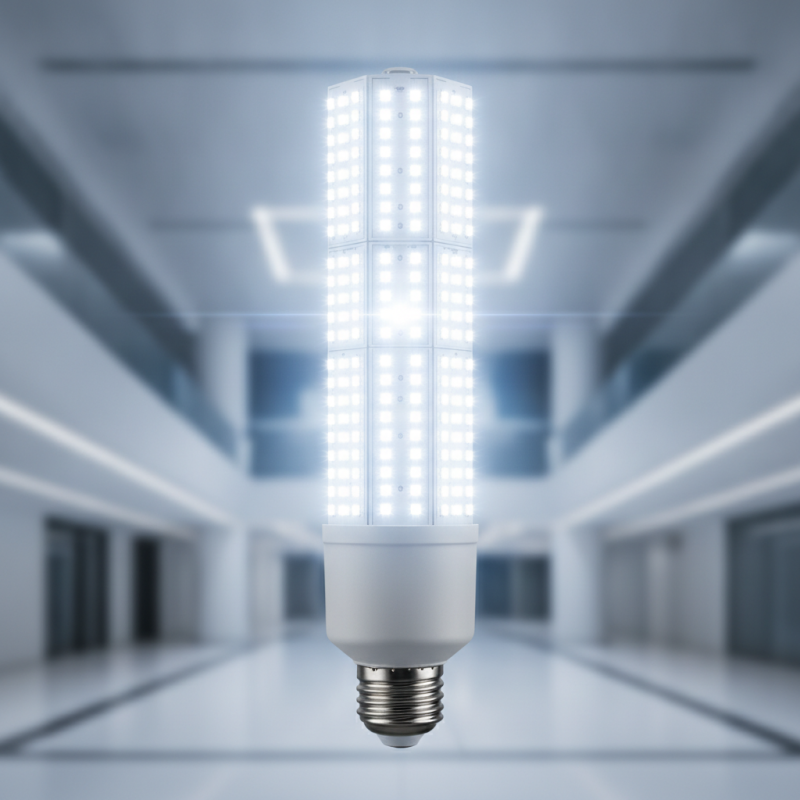
LED corn light bulbs stand out due to their distinctive shape. This design mimics traditional corn lamps, which maximizes light dispersion. The elongated structure allows for a higher density of LED chips. According to a report from the U.S. Department of Energy, LED bulbs can be up to 80% more efficient than incandescent options. This efficiency is crucial for energy conservation.
The shape plays a vital role in thermal management. The design allows better airflow, which reduces overheating. Overheating can diminish bulb lifespan. Research indicates that proper heat dissipation can extend an LED's life to 25,000 hours or more. However, not all designs effectively manage heat. Poor choices can lead to a shorter lifespan and inconsistent light output.
While the design is innovative, it’s not without flaws. Some users report uneven lighting in certain fixtures. This can affect visibility and ambiance. Lighting fixtures also vary; not all are suitable for corn bulbs. Understanding these limitations is essential for optimal use.
The corn shape of LED light bulbs originates from traditional incandescent designs. This unique form maximizes light output and distribution. The structure mimics the appearance of corn kernels, which invites curiosity. Engineers developed this design to enhance efficiency while providing a familiar aesthetic.
The shape also plays a role in heat dissipation. Unlike older bulbs, LED technology runs cooler. The segmented design allows for better airflow, maintaining performance. However, some users may find the shape unusual compared to standard bulbs. This can lead to confusion during replacement.
In lighting, innovation often comes with challenges. The corn shape showcases how functionality and artistry merge. Yet, not everyone appreciates this design. Preferences vary widely among consumers. This diversity in taste invites ongoing discussion about the future of lighting design.
The unique shape of LED corn light bulbs provides several functional advantages. Unlike traditional bulbs, these corn-shaped designs maximize light emission. The many LED chips arranged around the bulb allow for even distribution of light. This design ensures that every corner of the space is illuminated, minimizing dark spots often found with regular bulbs.
Additionally, the corn bulb's shape enhances heat dissipation. LEDs generate less heat than incandescent bulbs, but when they do, the open design aids in cooling. This promotes longevity, which is crucial for energy savings and reduced replacement costs. It's interesting to note that the effective cooling benefits often go unnoticed until a bulb's lifespan extends far beyond expectations.
However, achieving this design can come with challenges. Manufacturers must ensure that the materials can withstand heat over time. Some might face issues with color consistency or dimming effects. These imperfections highlight the importance of selecting quality products. While the shape offers many benefits, consumers should keep an eye on performance. Balancing aesthetics and functionality remains essential.
LED corn light bulbs stand out with their distinctive shape. This design is not merely aesthetic; it plays a crucial role in light distribution and efficiency. The unique corn-like structure allows for a 360-degree emission of light, ensuring that spaces are illuminated evenly. Unlike traditional bulbs that may cast shadows, these bulbs reduce dark spots, enhancing visibility in various environments.
The shape also contributes to thermal management. Efficient heat dissipation is vital for maintaining performance and longevity. The corn design increases surface area, which helps in cooling. This allows the LED to function optimally without overheating. However, some designs may not adequately address heat issues, resulting in shorter lifespans. It is worth considering how this aspect of design could improve overall effectiveness.
When selecting LED corn light bulbs, understanding these design principles can ensure better outcomes. Their shape directly influences both energy efficiency and light quality. Consumers should reflect on these aspects to maximize their lighting investments. The balance between form and function is crucial in the evolution of LED technology.
LED corn light bulbs stand out in a crowded market, primarily due to their unique shape and functionality.
These bulbs are designed with multiple LED chips arranged in a manner that mimics corn kernels.
This design maximizes light output while maintaining energy efficiency. Studies show that corn light bulbs can produce up to
130 lumens per watt, significantly higher than traditional incandescent bulbs, which emit around 15 lumens per watt.
This efficiency translates directly into energy savings.
When comparing corn light bulbs to traditional lighting options, the differences become even more intriguing. Traditional bulbs often require frequent replacements,
while LED options boast a lifespan exceeding 25,000 hours. This longevity reduces waste and offers a lower total cost of ownership.
However, the initial investment for LED bulbs may deter some consumers. The higher upfront cost often leads to concerns about immediate affordability versus long-term savings.
Despite their advantages, not all users have embraced corn light bulbs. Some express dissatisfaction with the color temperature or quality of light.
On the other hand, a recent energy report indicated that the market for LED lighting is expected to grow significantly.
As awareness of energy efficiency rises, consumer preferences may shift more favorably towards LED options in the future.
: Their distinct shape mimics traditional corn lamps, maximizing light dispersion effectively.
LED bulbs can be up to 80% more efficient, promoting energy conservation significantly.
These bulbs can last over 25,000 hours with proper thermal management and airflow.
Yes, poor designs may not manage heat well, leading to a shorter lifespan and inconsistent light.
Some users report uneven lighting and dissatisfaction with color temperature and light quality.
No, not all fixtures are compatible, which can affect performance and visibility.
Yes, while they offer long-term savings, the initial purchase price can be a deterrent.
They can produce up to 130 lumens per watt, significantly surpassing traditional bulbs.
Concerns over immediate affordability versus potential long-term energy savings impact their decision.
Yes, as awareness of energy efficiency increases, more consumers may favor LED options.
LED corn light bulbs have a unique design that reflects their functionality and efficiency in lighting applications. Understanding why LED corn light bulbs are shaped like that reveals a combination of historical influences and practical advantages. The corn-shaped design originated from traditional incandescent bulbs, which allowed for optimal light distribution while accommodating multiple LED chips within a compact space.
The functional advantages of this design include improved heat dissipation and enhanced light output, which contribute to overall effectiveness and longevity. Furthermore, the shape significantly impacts light distribution and efficiency, allowing for better illumination in various settings. When comparing corn light bulbs to traditional lighting options, it becomes clear that their design provides a more efficient and versatile solution for modern lighting needs.
