When considering how high should LED high bay fixtures be installed, one must account for various factors. The height of installation significantly impacts illumination quality. Proper lighting enhances visibility and safety in large spaces. Different environments may require distinct heights, making expert guidance essential.
In warehouses, for instance, fixtures are often installed 15 to 25 feet above the floor. This height ensures broad light distribution while minimizing glare. However, retail spaces might need lower installations, around 10 to 15 feet. Each setting demands careful attention to light intensity and coverage.
Choosing the right height is not just about aesthetics. It affects energy efficiency and operational costs. Poor installation height can lead to dark spots or excessive energy use. Therefore, understanding how high should LED high bay fixtures be installed is critical. Relying on experience and expert recommendations can lead to better outcomes. This decision warrants thorough consideration for optimal results.
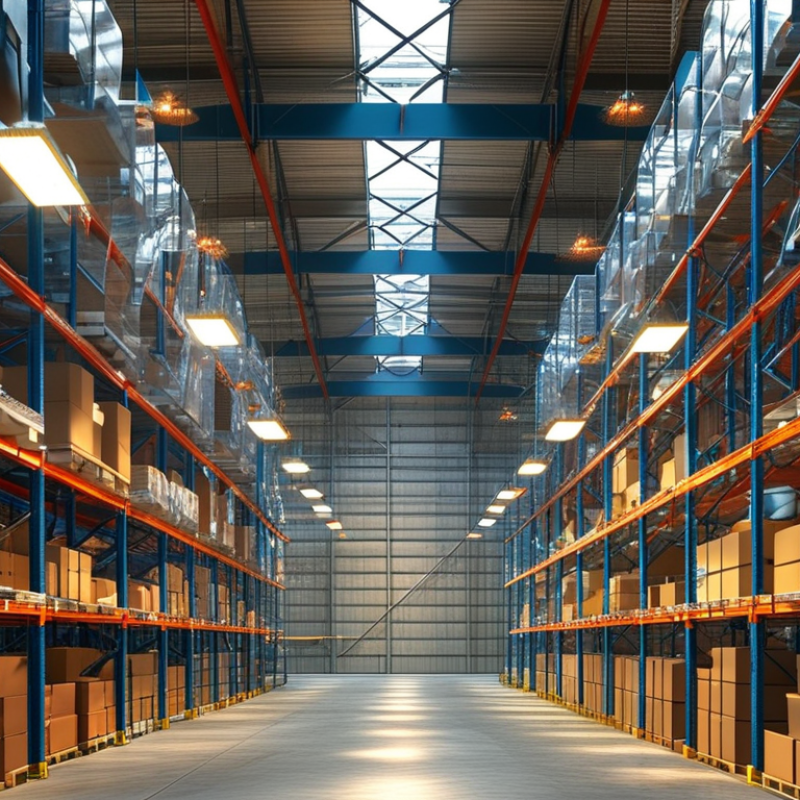
When considering the installation height of LED high bay fixtures, various factors come into play. The type of facility significantly influences mounting height. For warehouses, a height of 15 to 30 feet is typical. This allows for optimal light distribution and energy efficiency. According to the Illuminating Engineering Society, improper installation can result in inadequate lighting and safety issues.
Ceiling height and the fixture's lumen output also contribute to installation decisions. Higher ceilings often require fixtures with a greater lumen output to maintain desired brightness levels. A report from the Department of Energy suggests that for spaces with ceilings over 20 feet, lighting should exceed 20,000 lumens for effective illumination. A common oversight is assuming that higher is always better. Fixtures installed too high can lead to ineffective lighting patterns, creating shadows and dark spots.
Aesthetic considerations may further complicate installation decisions. While bright lighting is essential, excessive brightness can lead to glare. Industrial spaces can benefit from a balance between functionality and comfort. Lastly, ongoing maintenance access must also be factored into installation height. Fixtures that are too high increase maintenance difficulties, prompting potential safety hazards. Each of these elements deserves careful assessment to achieve the best outcomes.
| Application Area | Recommended Height (ft) | Fixture Type | Lumen Output Required |
|---|---|---|---|
| Warehouse | 15-20 ft | LED High Bay | 15,000 - 20,000 lm |
| Manufacturing Plant | 20-30 ft | LED High Bay | 20,000 - 30,000 lm |
| Retail Store | 10-15 ft | LED Low Bay | 8,000 - 12,000 lm |
| Gymnasium | 20-25 ft | LED High Bay | 25,000 - 30,000 lm |
| Parking Garage | 10-12 ft | LED Low Bay | 6,000 - 10,000 lm |
When installing LED high bay fixtures, the height is crucial for effective illumination. For ceilings below 14 feet, fixtures should be mounted between 12 and 14 feet. This height maximizes light output while minimizing glare. In warehouses or industrial spaces with ceilings between 14 and 20 feet, a mounting height of 14 to 18 feet is ideal. High bay lights can provide consistent, uniform lighting for larger areas.
For ceilings above 20 feet, consider a height range of 18 to 25 feet. At this elevation, the light spreads more evenly across the space, reducing harsh shadows. However, it's essential to assess the lumen output of the fixtures to ensure they meet the requirements of the environment. If the lighting feels dim or uneven, adjustments need to be made.
Tips: Always evaluate the specific needs of your space. Consider the tasks performed under the lighting. Higher ceilings may require fixtures with a greater lumen output. Additionally, think about the light distribution pattern. A wide beam angle can help illuminate larger areas, while a narrow beam is better suited for focused tasks. Choose wisely, and your lighting will enhance productivity.
The height at which LED high bay fixtures are installed significantly affects lighting quality. Lumens, the measurement of light output, play a crucial role in determining fixture height. Higher lumens in a space require careful consideration of fixture placement to avoid poor light distribution. For example, a fixture installed too high may leave dark spots in critical areas, leading to reduced productivity and safety risks.
Research indicates that fixtures should be placed between 15 to 40 feet above the floor, depending on the application. In warehouses, a lumens output of approximately 16,000 to 20,000 is common for effective coverage. Understanding the unique layout of a facility helps maintain an even light distribution. It's essential to evaluate the specific needs of your environment before finalizing the installation height.
Tips for optimal placement include measuring the fixture's intended coverage area. Analyze the space to ensure that light reaches necessary work zones. Also, consider the height of shelving and machinery, which may obstruct light flow. Finally, experiment with different fixture heights to find the ideal position for a balanced light spread. Ensuring the right height can positively impact operation efficiency.
Determining the installation height of LED high bay fixtures is crucial for optimal lighting in various environments. The height largely depends on the specific activities and spatial dynamics of a facility. For example, in an industrial setting with high ceilings, fixtures may need to be installed at 15-25 feet. This ensures adequate illumination for machinery and worker safety. However, in environments like gyms or retail spaces, lower heights may better serve the activity level and spatial needs.
Adjusting the height based on facility use can impact energy efficiency. Excessive height may lead to inefficient lighting distribution. In areas with less activity, a lower fixture height can create better light penetration. It’s important to engage with facility managers to assess activity levels. Lighting might need to change as activities evolve. This continual assessment might reveal that the original decision on height needs reevaluation. Staggering light fixtures in different zones may also help balance illumination.
In summary, understanding the relationship between facility use and lighting height is key. Each facility is unique, making a one-size-fits-all approach ineffective. Experimenting with different heights, while observing activity levels, can enhance lighting quality. This might require patience and adjustments. Seeking feedback from workers can also lead to finding a more efficient lighting arrangement.
When installing LED high bay fixtures, safety is a major concern. The height of installation affects not only visibility but also maintenance safety. Fixtures placed too high may pose risks during bulb replacements. Workers need to use ladders or lifts, increasing the chance of accidents. It’s crucial to evaluate the work environment before deciding on installation height.
Proper training is essential. Staff should understand how to operate lifts and ladders safely. Using fall protection gear is often necessary. Regularly inspecting fixtures for damage can prevent hazardous situations. Inadequate lighting might hide maintenance issues, leading to accidents. It’s important to balance adequate lighting with safety measures.
Lastly, consider the maintenance schedule. High bay lights often require regular checks to ensure efficiency. Schedule these checks around staff availability to minimize disruptions. Leaving safety protocols unaddressed can lead to serious consequences. Reflecting on these factors is vital for any installation.
: The height impacts lighting quality and distribution, affecting productivity and safety.
Lumens measure light output. Higher lumens require careful fixture placement to avoid dark spots.
Fixtures should be placed between 15 to 40 feet above the floor, depending on the facility.
Measure the coverage area and analyze shelving and machinery that may obstruct light.
It ensures adequate illumination for activities and enhances lighting efficiency based on space dynamics.
Higher fixtures may lead to uneven light distribution, creating dark spots and safety risks.
Continuously assess as activities evolve, ensuring lighting meets current needs.
Yes, seeking input from workers can help refine the lighting arrangement for better efficiency.
Approximately 16,000 to 20,000 lumens provides effective coverage in warehouse settings.
It can lead to inefficient lighting, resulting in inadequate light penetration in low-activity areas.
When considering "how high should LED high bay fixtures be installed," several factors come into play, including the type of ceiling and the specific application of the space. The recommended height ranges vary for different ceiling types, such as warehouse or retail settings, and should be adapted based on the activity levels within the facility.
Additionally, the impact of lumens and light distribution significantly affects the decision on installation height. Facilities with higher activity levels may require adjustments in fixture height to ensure adequate illumination. Finally, safety considerations must also be taken into account when installing high bay fixtures, ensuring that the setup complies with safety standards and is easily accessible for maintenance. Understanding these aspects will help ensure optimal lighting performance and safety in various environments.
