Premature failure in commercial LED drivers is a pressing issue in the lighting industry. According to a report by the National Electrical Manufacturers Association (NEMA), around 30% of LED driver failures occur within the first two years of operation. This not only leads to increased maintenance costs but also undermines the reliability of LED systems. Industry expert Dr. Jane Roberts has noted, “Understanding what causes premature failure in commercial LED drivers is essential for enhancing product lifespan and reliability.”
Research indicates that thermal management, component quality, and poor circuit design are among the top failures. Heat is a silent killer that affects the lifespan of LED drivers. Inadequate heat dissipation methods lead to overheating, which damages key components. Additionally, using substandard components can create a domino effect, compromising the entire system.
While the industry has made significant advancements, challenges remain. Manufacturers need to prioritize robust testing procedures and invest in high-quality materials. Experts agree that improving quality control processes is crucial. Addressing these issues is vital for reducing premature failures and ensuring long-term performance in commercial lighting solutions.
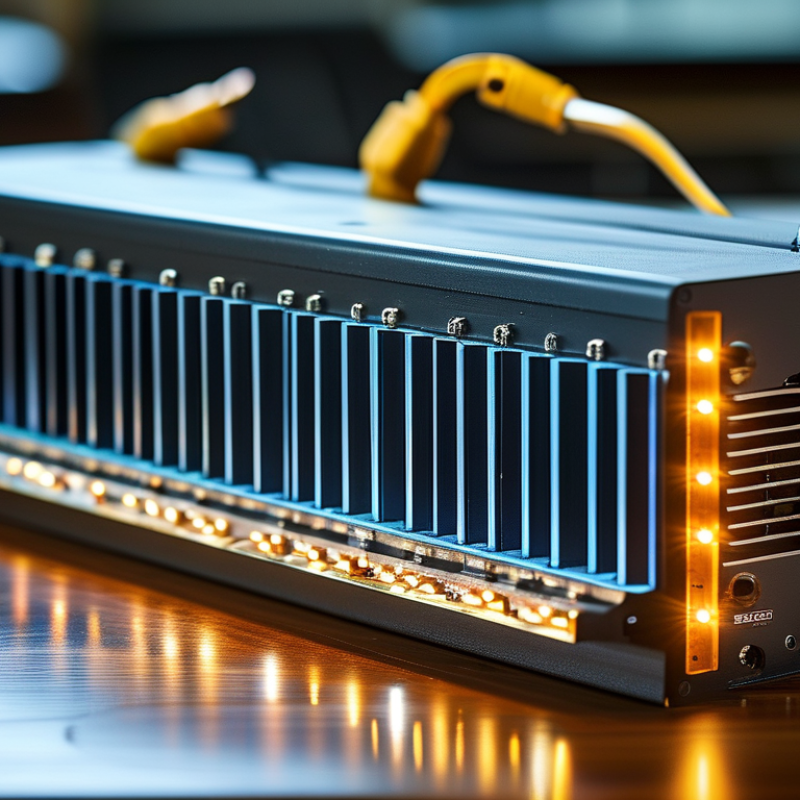
In the fast-evolving world of commercial LED drivers, recognizing design flaws is crucial. Early failure often stems from inadequate thermal management. High temperatures can significantly reduce the lifespan of LED drivers. Without proper heat dissipation, components may degrade prematurely. Poor design choices here can lead to costly replacements and downtime.
Another common issue is the use of low-quality components. Selecting inferior capacitors or resistors can result in failures over time. Companies sometimes opt for cheaper parts to cut costs. However, this can backfire, driving up maintenance costs. Ensuring high-quality components can enhance reliability and user satisfaction.
Tips: Always conduct regular thermal assessments. This can help you catch potential overheating issues early. Additionally, prioritize reputable suppliers for components. Investing upfront may save you money over time. Lastly, consider implementing extensive testing protocols. Rigorous validation can help identify weaknesses in your designs before they reach the market. Investing time in these evaluations can significantly improve performance and durability.
| Cause of Failure | Description | Impact | Prevention Strategies |
|---|---|---|---|
| Overheating | Insufficient thermal management leading to component failure. | Increased failure rates and reduced lifespan. | Enhance heat dissipation through better materials and design. |
| Poor Power Supply Design | Inadequate filtering and voltage regulation. | Can cause flickering and inconsistent light output. | Implement robust power supply circuits and components. |
| Poor Component Quality | Using low-quality or counterfeit components. | Increased failure rates and reliability issues. | Source components from reputable suppliers. |
| Inadequate Testing | Insufficient validation testing before deployment. | Potential for unexpected failures in the field. | Conduct thorough stress and performance testing. |
| Improper Electrical Design | Poor layout and circuit design leading to inefficiencies. | Reduced efficiency and higher heat generation. | Follow best practices in circuit design. |
| Inadequate Surge Protection | Lack of protection against spikes and surges. | Can result in catastrophic failure of components. | Incorporate surge protection devices in the design. |
| Environmental Factors | Exposure to moisture, temperature extremes, and pollution. | Can accelerate degradation and failure. | Use protective enclosures and components rated for harsh environments. |
| Component Mismatching | Using components that are not compatible. | Can lead to inefficiencies and possible failures. | Ensure all components meet specification requirements. |
| Design Complexity | Overly complex designs that are hard to manufacture. | May lead to increased production costs and quality issues. | Simplify designs where possible to enhance reliability. |
: Early failure often results from inadequate thermal management. High temperatures can drastically reduce lifespan.
Poor thermal management can lead to overheating. This contributes to about 30% of LED driver failures.
Low-quality components can lead to failures over time. Cheaper parts often increase maintenance costs later.
Consider adding heat sinks and active cooling systems. These solutions can enhance performance and lifespan.
High temperatures and humidity can degrade components quickly. Dust and pollutants can also lead to overheating.
Regular cleaning and monitoring of temperatures are vital. Preventive maintenance can mitigate risks significantly.
Rigorous testing can identify weaknesses in designs early. This investment in evaluation can improve durability.
Reliable measurement tools are essential for monitoring. Understanding your environment can maximize performance.
Assessing reliability is crucial, considering environmental factors. Each application may highlight more vulnerabilities than expected.
Regular cleaning of dust and debris is often ignored. This can lead to unexpected overheating issues.
Premature failure in commercial LED drivers can be attributed to several critical factors that compromise their performance and longevity. Key design flaws, such as inadequate circuitry and insufficient voltage regulation, can lead to early failures. Additionally, thermal management plays a vital role; excessive heat can significantly shorten the lifespan of LED drivers. Electrical stress factors, including fluctuations in voltage and current, also contribute to failures, stressing the components beyond their limits.
Moreover, the quality of components used in LED drivers is paramount. Inferior parts can result in severe performance issues and increase the risk of failure. Environmental conditions like humidity and temperature fluctuations further affect the reliability of these drivers. Understanding what causes premature failure in commercial LED drivers is essential for manufacturers to enhance product design and increase overall operational efficacy.

