Frequently Asked Questions
Do LED lights really have a 50,000-hour lifespan?
A lifespan of 50,000 hours or longer is theoretical based on lab tests. Actual lifespan in varied working environments is typically around 30,000 hours, though it can reach 50,000 hours with premium materials.
Why do different suppliers offer different brightness for the same power?
Brightness depends on the quality and version of the chips used. Even with the same chip, different brightness versions exist. It's important to distinguish between the brightness of the LEDs themselves and the total output of the lamp fixture.
What is Color Temperature (CCT)?
Color temperature is measured in Kelvin (K). Lower temperatures produce a warmer light often used for relaxation, while higher temperatures produce a cooler light used to enhance concentration in work environments.
What is CRI (Color Rendering Index)?
CRI is a measure of how accurately a light source reveals the true colors of objects. A higher CRI results in more natural color representation but typically comes at a higher cost.
What do PF and Efficiency signify?
PF (Power Factor) and efficiency represent the electrical performance of the driver. Higher PF and efficiency ratings indicate better energy utilization and higher quality components.
Where can these lights be installed?
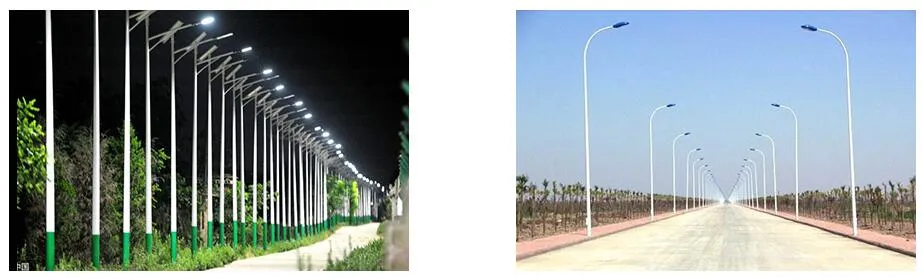
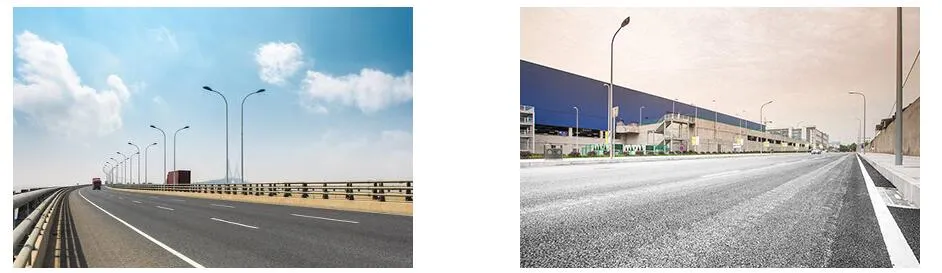
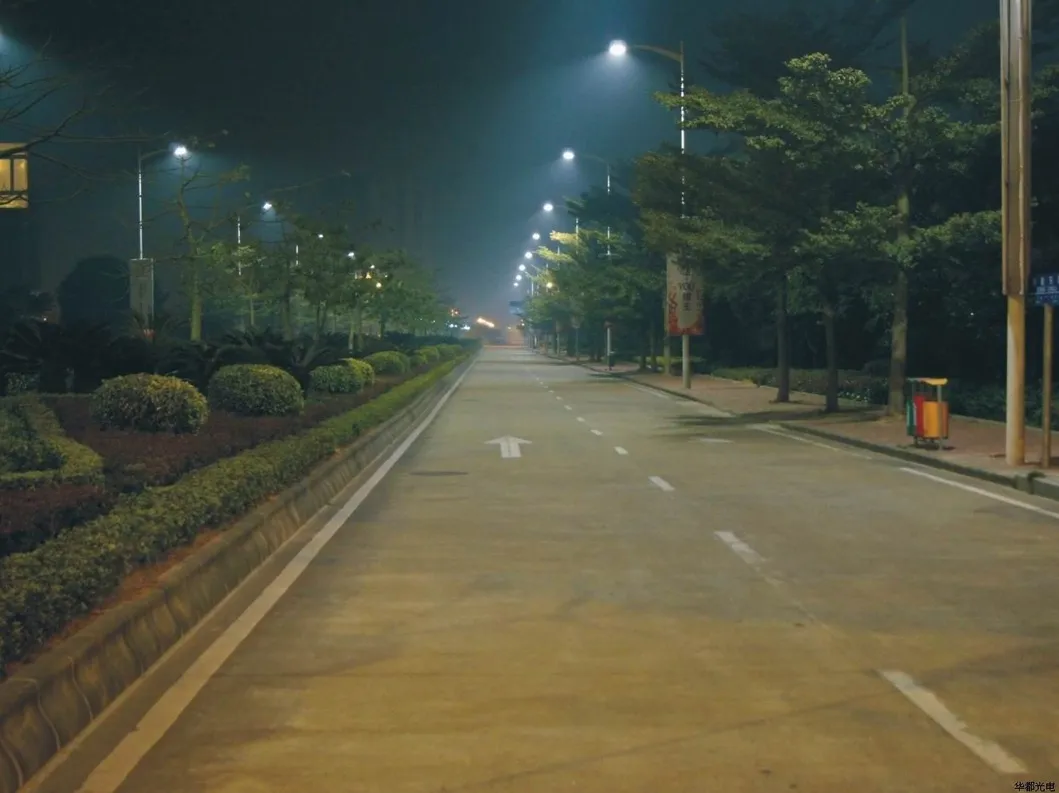
These lights are suitable for arterial roads, highways, city streets, bridges, sidewalks, squares, schools, residential areas, industrial zones, and parks.