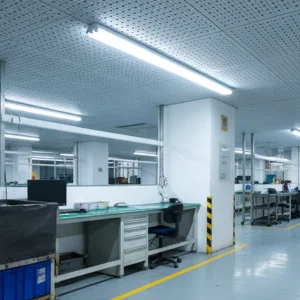
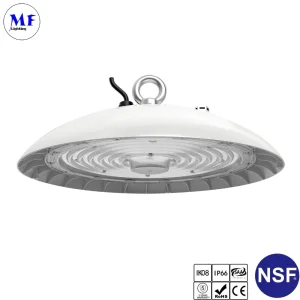
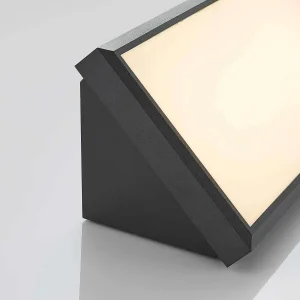
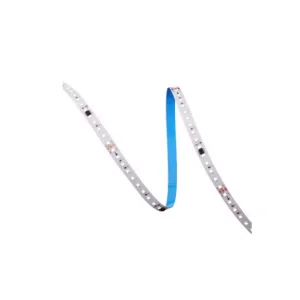
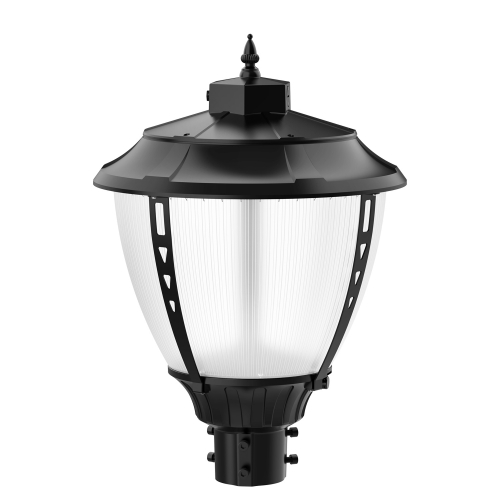
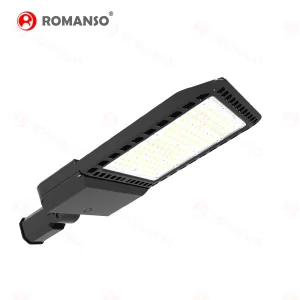
Explore our engineered range of high-efficiency LED luminaires designed for extreme durability, precise optical control, and energy code compliance across international commercial deployments.
The global commercial outdoor landscape lighting market has shifted drastically from aesthetic-only fixtures to highly engineered photometric delivery systems. Commercial pathway lights must illuminate walkways, municipal plazas, corporate campuses, and hospitality gardens without creating intrusive light trespass or high-angle glare.
Leading Tier-1 factories utilize asymmetric Type I, II, and III optical cut-off lenses molded from optical-grade polycarbonate or UV-stabilized PMMA. By aiming light downward and outward in controlled forward-throw footprints, these optical engines achieve uniform ground illuminance (exceeding 3:1 max-to-min uniformity ratios) while maintaining dark-sky friendliness with zero upward light output (U0 rating under BUG metrics).
External ambient environmental stress represents the primary failure point for outdoor solid-state lighting systems. Advanced manufacturers leverage die-cast ADC12 low-copper aluminum alloy housing coupled with integrated thermal chimneys and micro-fin passive heat sinks.
By restricting junction temperatures ($T_j$) below $75^\circ\text{C}$ even in ambient operating environments of $50^\circ\text{C}$, high-grade pathway fixtures preserve lumen maintenance over 100,000 operational hours. Coupled with multi-stage architectural powder coating (exceeding 1,000 hours of ASTM B117 salt spray exposure testing), these fixtures actively resist severe galvanic corrosion, UV degradation, and chemical washdowns.
Modern urban planning demands intelligent energy management. Procurement specs now heavily favor fixtures supporting 0-10V analog dimming, DALI-2, and standardized 7-pin ANSI C136.41 NEMA receptacles or Zhaga Book 18 sockets.
Integrating microwave motion sensors, twilight dusk-to-dawn photocells, and mesh wireless controls (Zigbee/Bluetooth Mesh) allows pathway lighting networks to dynamically adjust brightness based on real-time pedestrian activity, cutting municipal operating energy consumption by up to 70%.
Regulatory frameworks worldwide now emphasize ecological conservation. Pathway lighting suppliers must offer customized Correlated Color Temperatures (CCT)—ranging from ultra-warm 2200K amber lighting (to protect sea turtle nesting areas and local nocturnal fauna) to field-selectable 3000K/4000K/5000K options for versatile commercial installations.
Selecting narrow-spectrum LED packages with minimal spectral output below 500nm drastically reduces skyglow and ecological disturbance while maintaining high Color Rendering Index (CRI > 80/90) for human safety.
When evaluating top LED pathway light factories, sourcing teams must inspect architectural parameters to ensure project longevity and compliance with North American (UL/DLC) and European (CE/RoHS/ENEC) standards.
| Engineering Parameter | Tier-1 Factory Specification Standard | Commercial Value & Operational Impact |
|---|---|---|
| Driver Topology & Surge Protection | Class I/II MeanWell, Inventronics, or Lifud drivers; integrated 10kV/20kV SPD (Surge Protection Device) | Prevents field failure caused by grid voltage spikes, lightning strikes, and transient inductive switching. |
| Ingress & Mechanical Impact | IP65, IP67 up to IP69K liquid-tight sealing; IK08 to IK10 impact resistance rating | Guarantees complete protection against dust immersion, high-pressure hot water jets, and vandalism. |
| Optical System & Efficacy | High-binning SMD3030/SMD5050 chips, initial efficacy of 140–170 lm/W, MacAdam Ellipse < 3 SDCM | Maximizes lumen output per watt, reduces total energy draw, and ensures color consistency across multi-fixture runs. |
| Thermal Management | Direct-bonded aluminum PCB (MCPCB thermal conductivity > 2.0 W/m·K), die-cast ADC12 housing | Extends lumen maintenance (L70 > 100,000 hrs), suppressing heat build-up that degrades LED phosphor layers. |
| Regulatory Certifications | UL 1598 / CSA C22.2, DLC 5.1 Premium, NSF (Sanitation), ATEX/IECEx for hazardous locations | Ensures eligibility for electric utility energy rebates and guarantees structural and electrical safety compliance. |
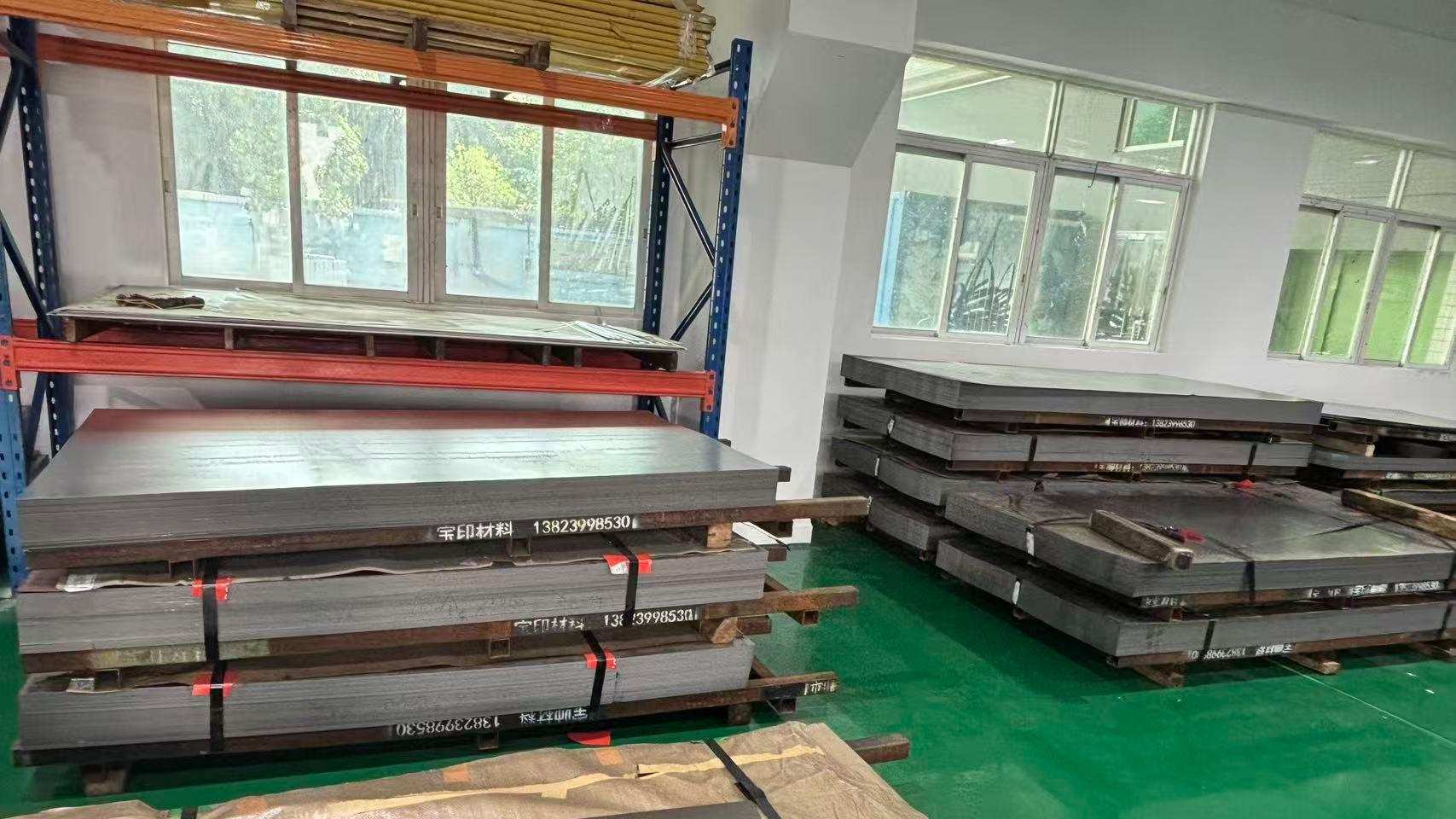
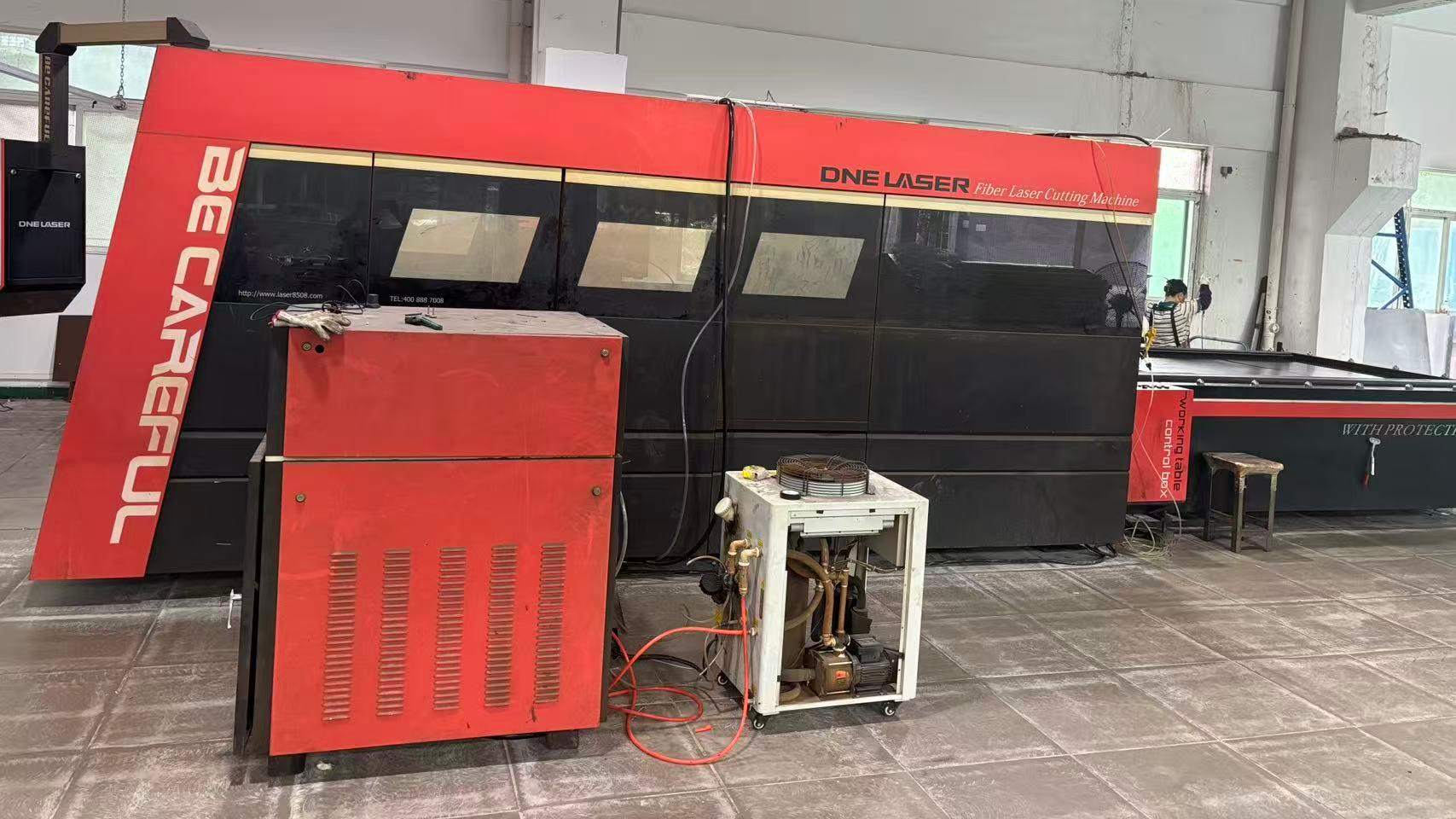
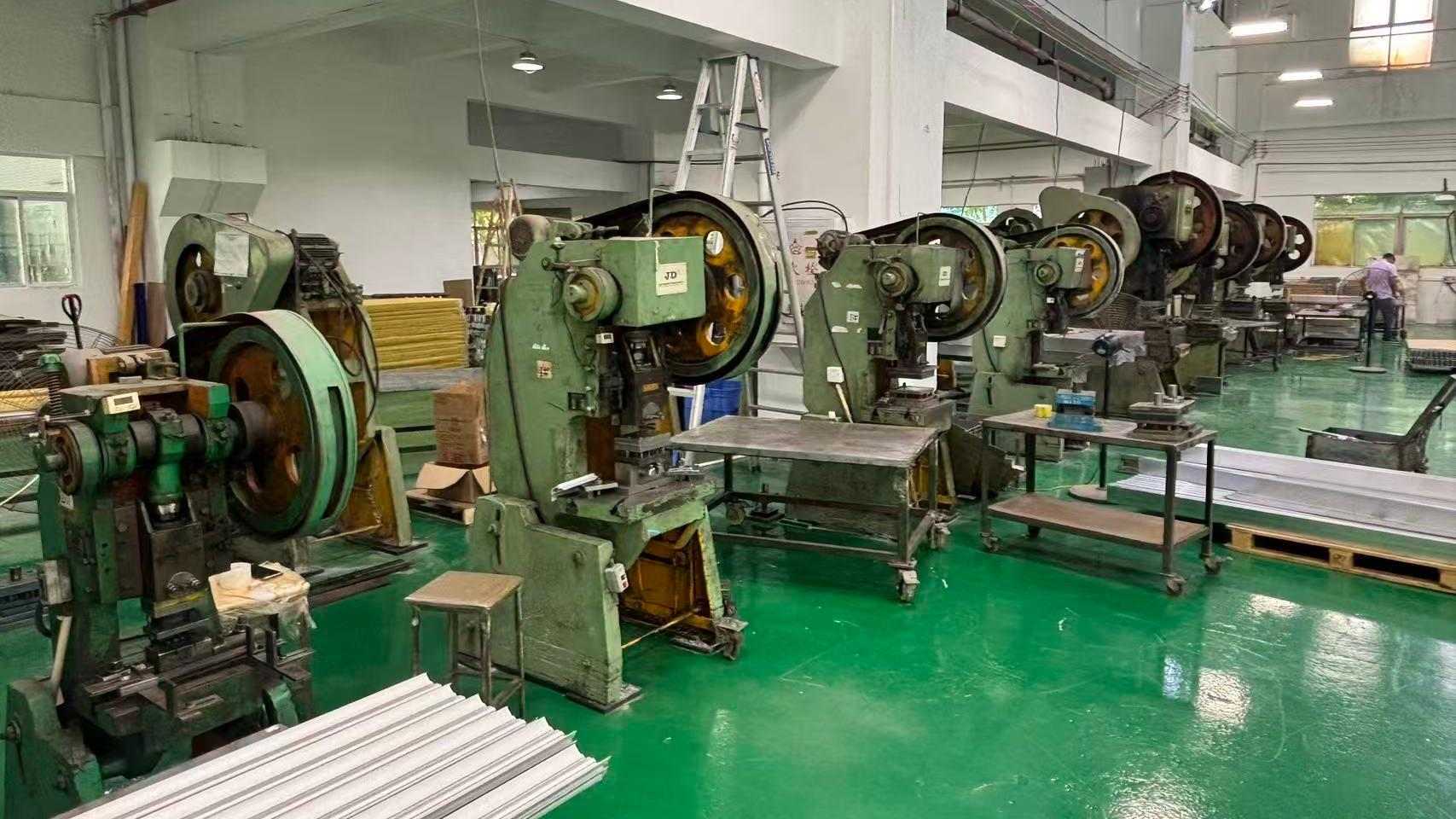
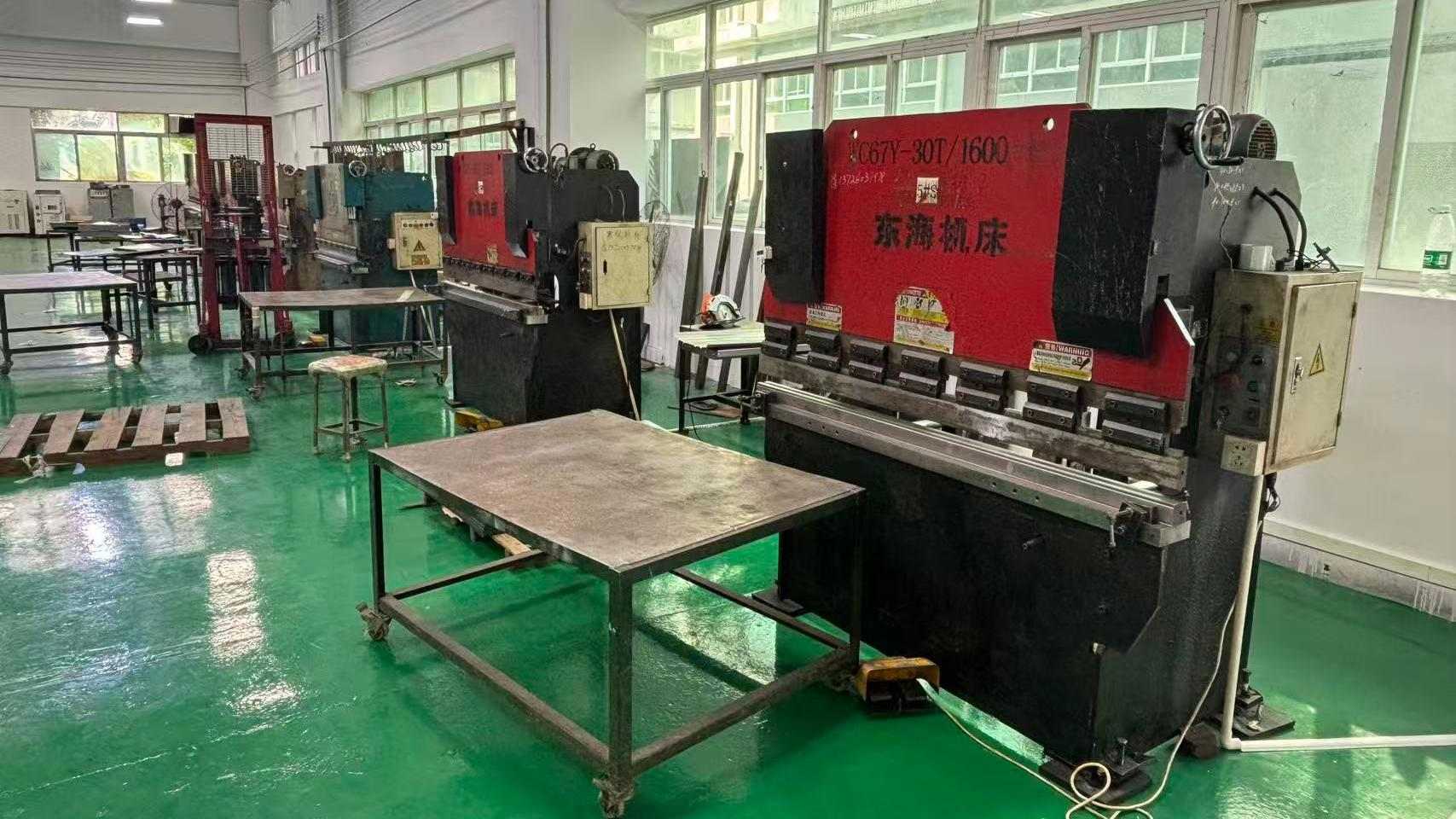
Shenzhen Presta Light Co., Ltd. is a professional LED lighting manufacturer and high-tech enterprise founded in 2010. With more than a decade of experience in the LED lighting industry, we specialize in the research, development, production, and global distribution of high-performance commercial and industrial lighting products.
Since our establishment, we have been dedicated to providing innovative, energy-efficient, and reliable LED lighting solutions for customers around the world. By integrating advanced manufacturing technology, strict quality control systems, professional engineering support, and comprehensive customer service, Presta Light has built a strong reputation in international markets and established long-term partnerships with customers across North America, Europe, South America, the Middle East, and Asia.
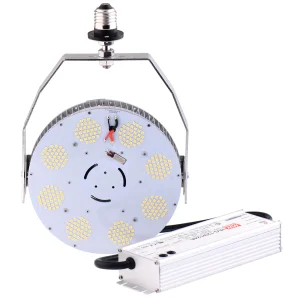
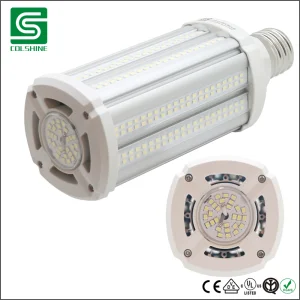
Our core product portfolio includes LED Corn Bulbs, LED Retrofit Kits, LED High Bay Lights, LED Shoebox Fixtures, LED Canopy Lights, LED Wall Packs, LED Flood Lights, and other indoor and outdoor commercial lighting solutions. These products are widely used in warehouses, factories, parking lots, gas stations, shopping centers, streets, schools, office buildings, and various industrial and commercial applications.
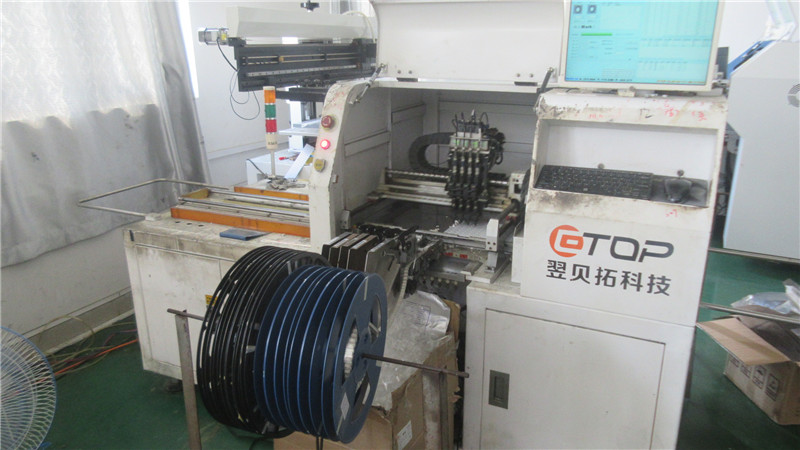
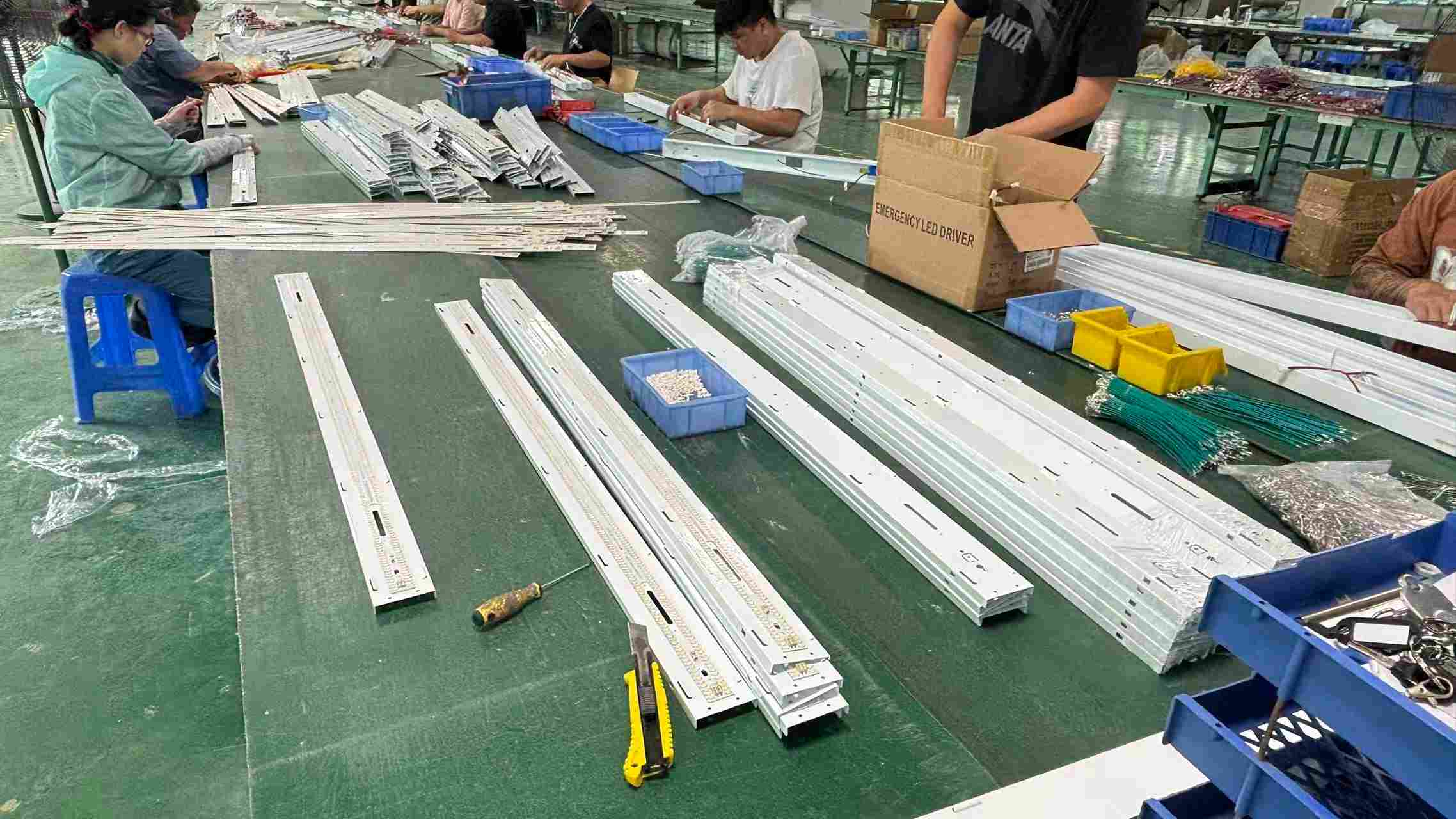
To ensure product quality and performance, Presta Light is equipped with advanced production facilities, professional testing equipment, and an experienced R&D team. We continuously invest in technological innovation and product development, launching approximately 4 to 5 new products every year to meet changing market demands and evolving industry standards. Our engineering team focuses on improving energy efficiency, lighting performance, product reliability, and installation convenience, helping customers reduce operating costs while achieving superior lighting results.
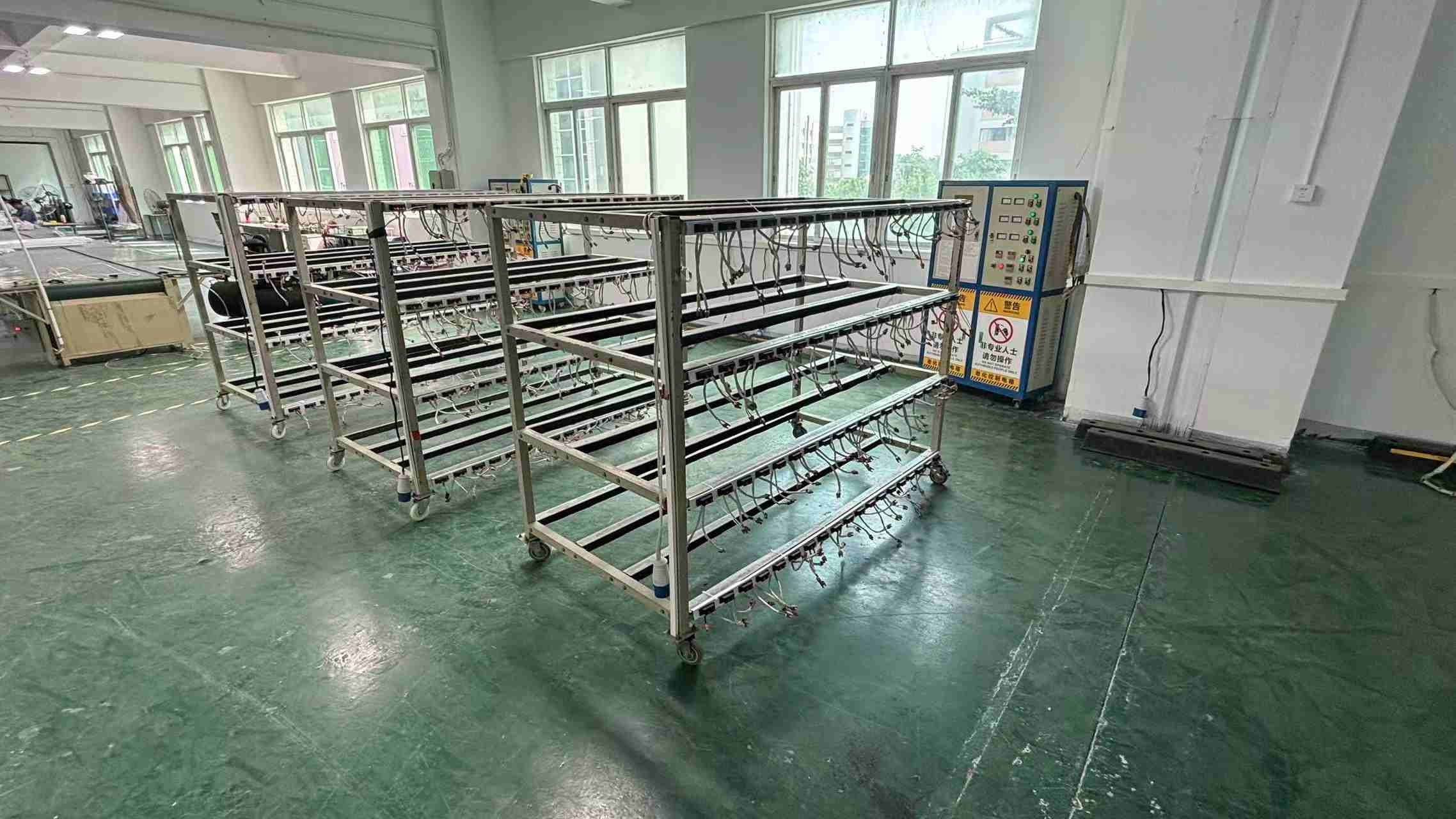
Quality is the cornerstone of our business. Every product undergoes rigorous testing and inspection throughout the manufacturing process. Our products comply with major international standards and certifications, including UL, cUL, ETL, and DLC, enabling customers to meet local regulatory requirements and qualify for energy rebate programs. We are also committed to obtaining additional certifications for newly developed products to support wider market access and customer confidence.
Looking toward the future, Shenzhen Presta Light Co., Ltd. will continue to expand its investment in research and development, strengthen manufacturing capabilities, and introduce more innovative LED lighting products that contribute to energy conservation and environmental sustainability. Guided by our core values of Quality, Innovation, Integrity, and Customer Satisfaction, we are committed to becoming a trusted global partner in the LED lighting industry.
We sincerely welcome customers and partners from around the world to cooperate with us and create a brighter, more sustainable future together.
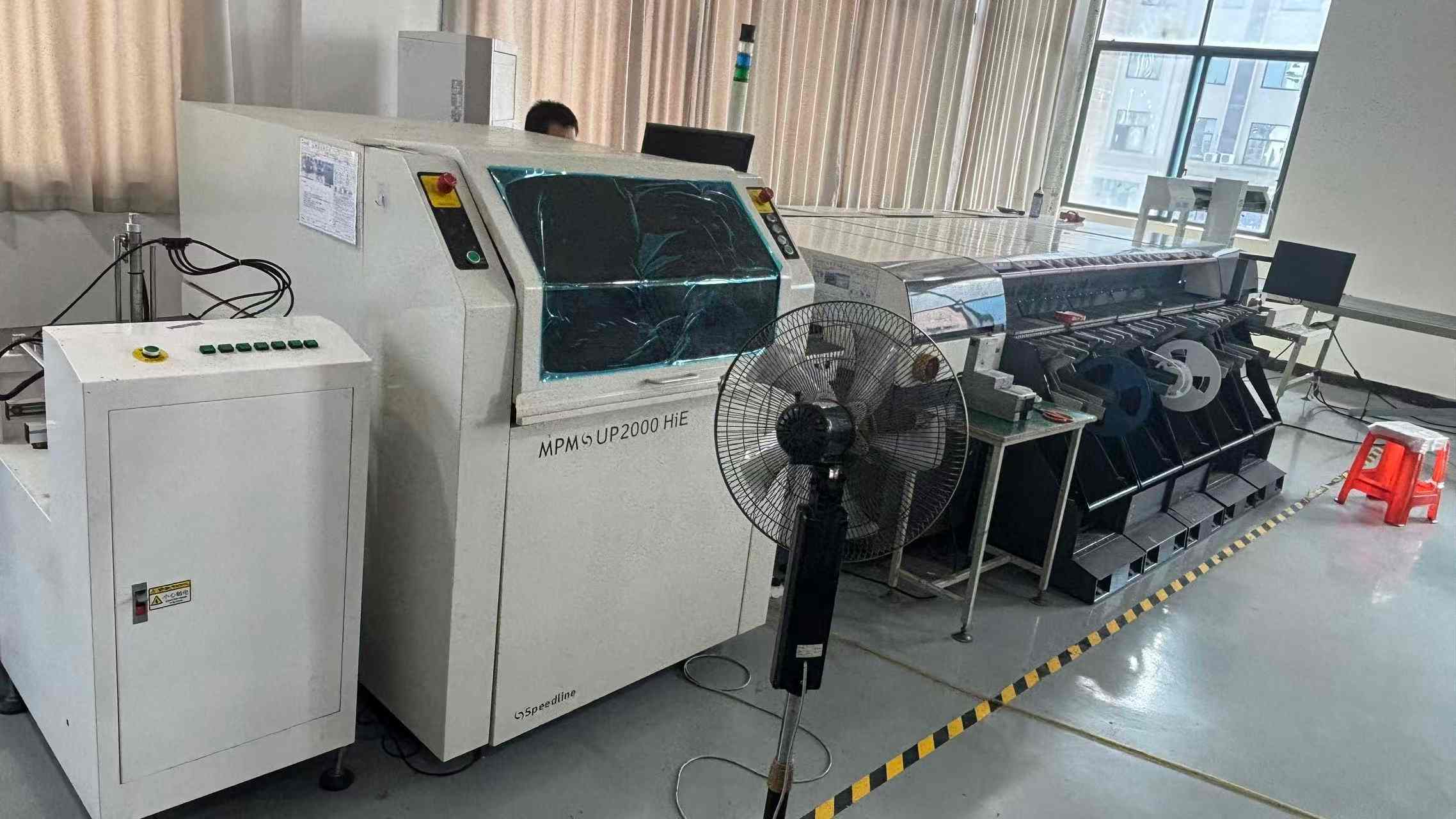
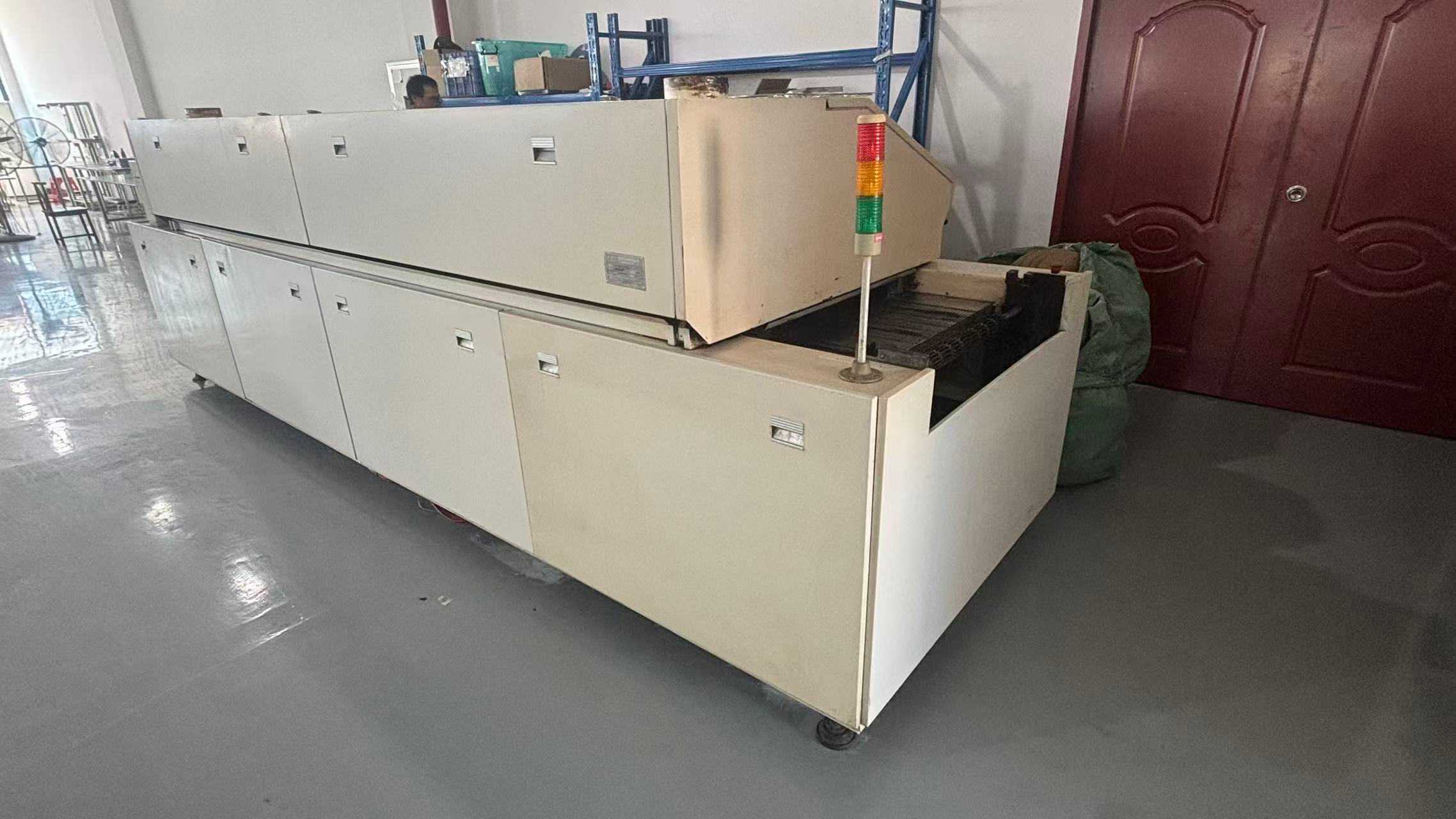
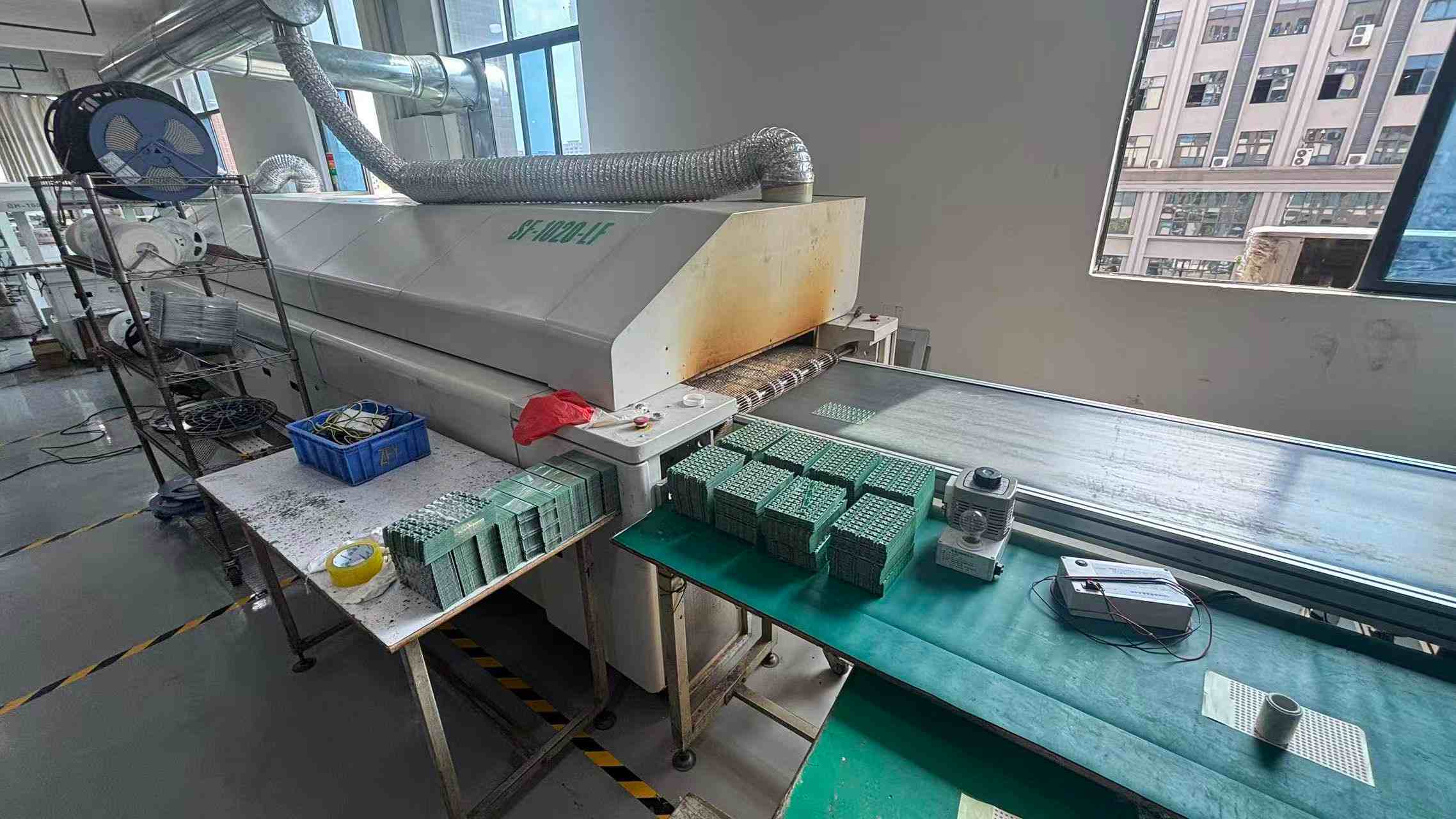
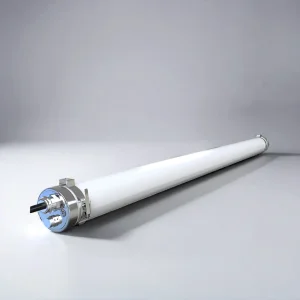
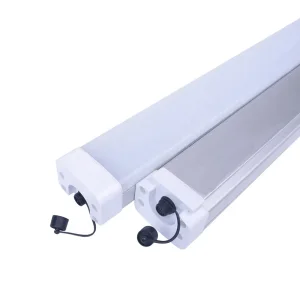
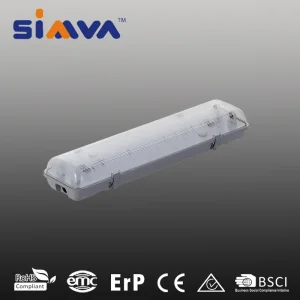
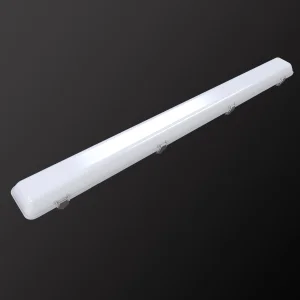
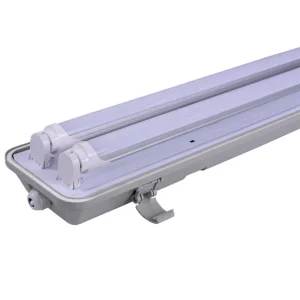
Industrial complexes require luminaire structures resistant to extreme chemical exposure, high moisture levels, and freezing temperatures. Our vapor-tight tri-proof series provides IP69K hermetic sealing and IK10 impact protection, thriving in temperatures as low as $-40^\circ\text{C}$ in cold storage logisitics facilities without lumen degradation or driver flickering.
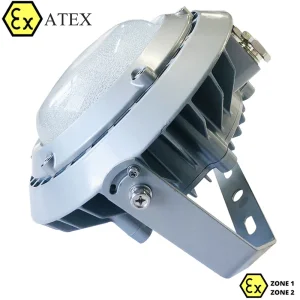
In oil refineries, chemical processing plants, and food manufacturing facilities, standard fixtures represent ignition hazards. We supply specialized ATEX-approved and NSF-certified lighting solutions designed to prevent thermal spark ignition and comply with strict sanitary washdown protocols.
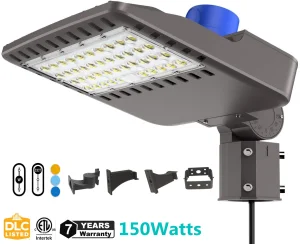
For municipal parks, pedestrian walkways, and commercial parking decks, our street and shoebox fixtures feature modular optic distributions (Type III / V) with integrated microwave sensors and dusk-to-dawn photocells, supporting dark-sky ordinances while improving public safety.
The future of commercial pathway illumination lies in total off-grid energy independence. R&D initiatives focus on integrating micro-perovskite solar arrays directly into fixture housings, combined with long-life Lithium Iron Phosphate ($LiFePO_4$) battery chemistry. This allows pathway bollards and light columns to function autonomously without expensive trenching, conduit laying, or AC power grid connections.
Moving beyond simple motion detection, next-generation pathway systems will integrate edge-AI microcontrollers. These nodes analyze current draw, operating temperatures, and LED phosphor degradation metrics in real time. Potential driver failure or thermal anomaly alerts are automatically transmitted to building management systems (BMS) before an illumination outage occurs.
Browse our full catalog of heavy-duty retrofits, weatherproof tri-proofs, streetlights, and architectural fixtures built for long-term global deployment.