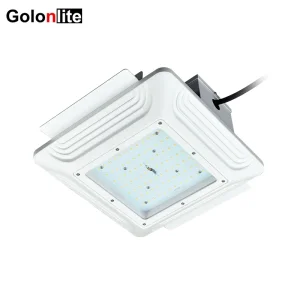
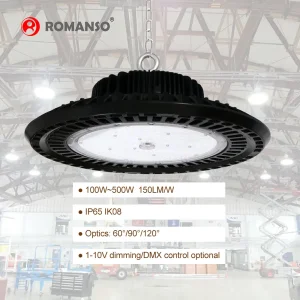
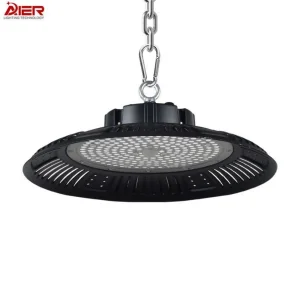
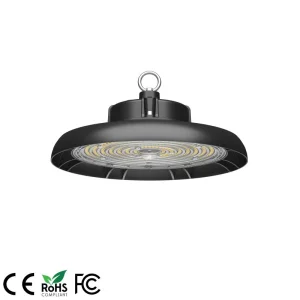
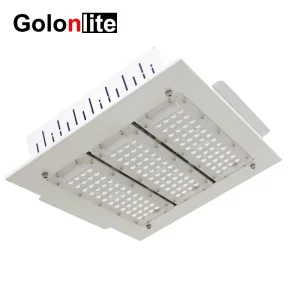
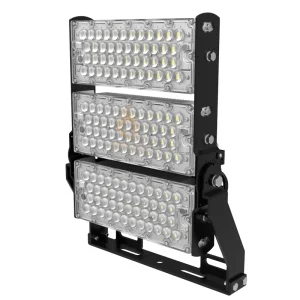
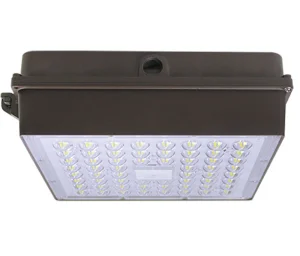
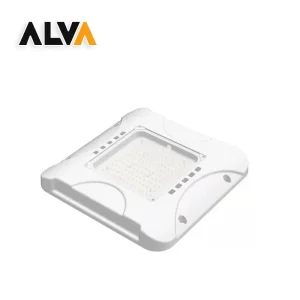
The metropolitan region of Algiers, serving as the economic engine and logistics capital of Algeria, is undergoing an unprecedented wave of infrastructure transformation. Spurred by national programs for energy efficiency and sustainable development, the transition from legacy high-intensity discharge (HID) and metal halide fixtures to advanced solid-state lighting (SSL) has moved from a speculative option to an operational mandate. Large-scale regional developments—ranging from the expansion of the Port of Algiers to new logistics hubs in Boumerdès and Zéralda, alongside the modernization of Naftal's extensive service station networks—have triggered a surge in demand for highly reliable, thermally optimized, and dust-resistant industrial luminaires.
For international project developers, municipal engineers, and local import agencies operating in Algiers, sourcing high-performance LED canopy lights requires a granular comprehension of local grid dynamics and environmental realities. Industrial areas in the periphery of Algiers face specific power quality concerns, characterized by voltage drops and transient surges, necessitating industrial canopy fixtures with wide-voltage input capabilities (such as 90-305V or 347-480V systems) integrated with robust surge protection devices (SPDs) minimum rated at 10kV/20kA. As the capital adapts to modern smart-city frameworks, local procurement policies increasingly favor manufacturers who possess rigorous global certifications (UL, ETL, CE, RoHS, DLC) and demonstrate sophisticated component traceability.
The Strategic Imperative for Algiers Project Managers: In the Mediterranean climate zone of Algeria, operating temperatures within enclosed canopy areas can regularly peak above 50°C. Sourcing LED luminaires with inadequate thermal dissipation mechanics leads to accelerated luminous flux depreciation, color shifting, and early driver failures. Partnering with a specialized manufacturer like Presta Light ensures engineered thermal pathways capable of sustained operations in extreme North African environments.
Luminaires deployed in Algiers are subject to a dual environmental stress profile: marine salinity along the coastal zones and high particulate (sand/dust) intrusion carried by the seasonal Sirocco winds originating from the Sahara. To ensure a service life exceeding 50,000 to 100,000 hours, LED canopy fixtures must feature specific physical attributes:
The global industrial lighting market is undergoing rapid change, driven by digital connectivity and advancements in optical physics. Canopy lighting, once considered a utility light source, has evolved into a key element of architectural design and energy management systems. Globally, the phase-out of inefficient lighting sources is driven by international environmental agreements, but the real business incentive is the significant reduction in operating costs. Modern solid-state luminaires reduce power consumption by up to 70% compared to legacy metal halide systems, while delivering higher color rendering index (CRI > 80 vs CRI ~60) and improved glare control.
Furthermore, the convergence of Internet of Things (IoT) technologies with industrial light fixtures is redefining the utility of canopy systems. Modern canopy luminaires are equipped with Zhaga-book compliant receptacles or NEMA sockets, enabling plug-and-play installation of smart photocells, motion sensors, and wireless control nodes. By utilizing DALI-2 protocols or 0-10V dimming drivers, operators can implement sophisticated scheduling, adaptive dimming, and demand-response profiles. In regions like North America and the EU, these smart canopy systems are linked directly to building management systems (BMS) to optimize maintenance cycles, track real-time energy use, and automate fault detection.
Implementing canopy lighting in Algiers requires selecting fixtures that match the specific operational profiles of local projects:
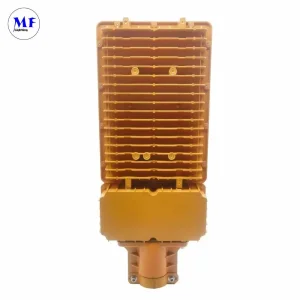
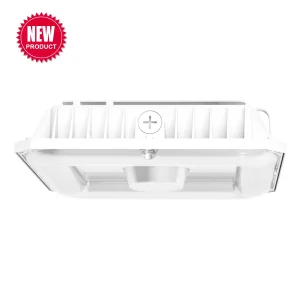
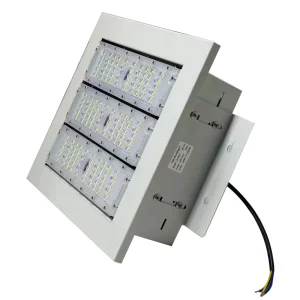
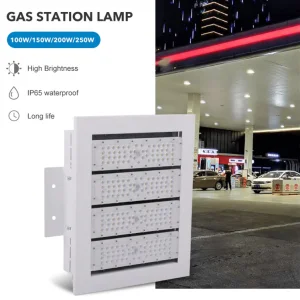
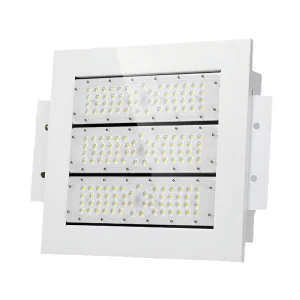
Petrol service stations run continuously and have strict safety requirements. Optical systems must provide uniform ground illuminance without glare, ensuring a safe and welcoming environment for drivers. In these areas, recessed or surface-mounted LED canopy lights with ATEX/IECEx or corresponding explosion-proof ratings are necessary to prevent the ignition of volatile fuel vapors. High-efficiency arrays (150lm/W) reduce the overhead cost of round-the-clock operations.
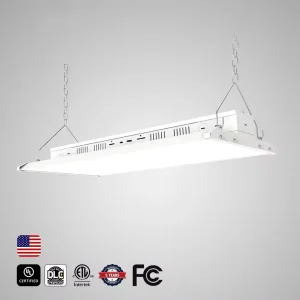
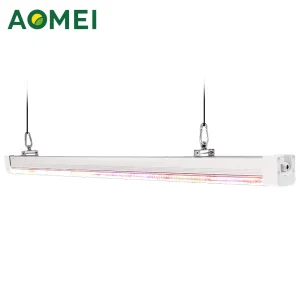
In locations such as the port zones of Algiers, high ceilings and large spatial volumes require luminaires with precise optical control. Linear high-bay panels and robust 150W-300W canopy lights help eliminate dark spots, improve safety for forklift operators, and reduce maintenance costs by eliminating frequent bulb replacements.
Urban centers in Algiers require continuous lighting in parking decks and pedestrian underpasses to ensure public safety. In these settings, IK10 vandal-resistant ratings and IP65 dust/moisture seals are essential. Dimmable options with integrated motion sensors allow the lights to dim to 20% power during low-occupancy hours, saving energy while maintaining basic safety illumination.
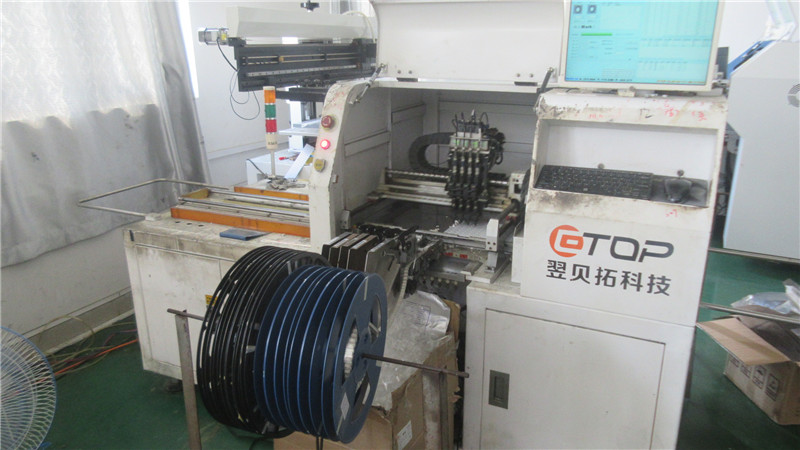
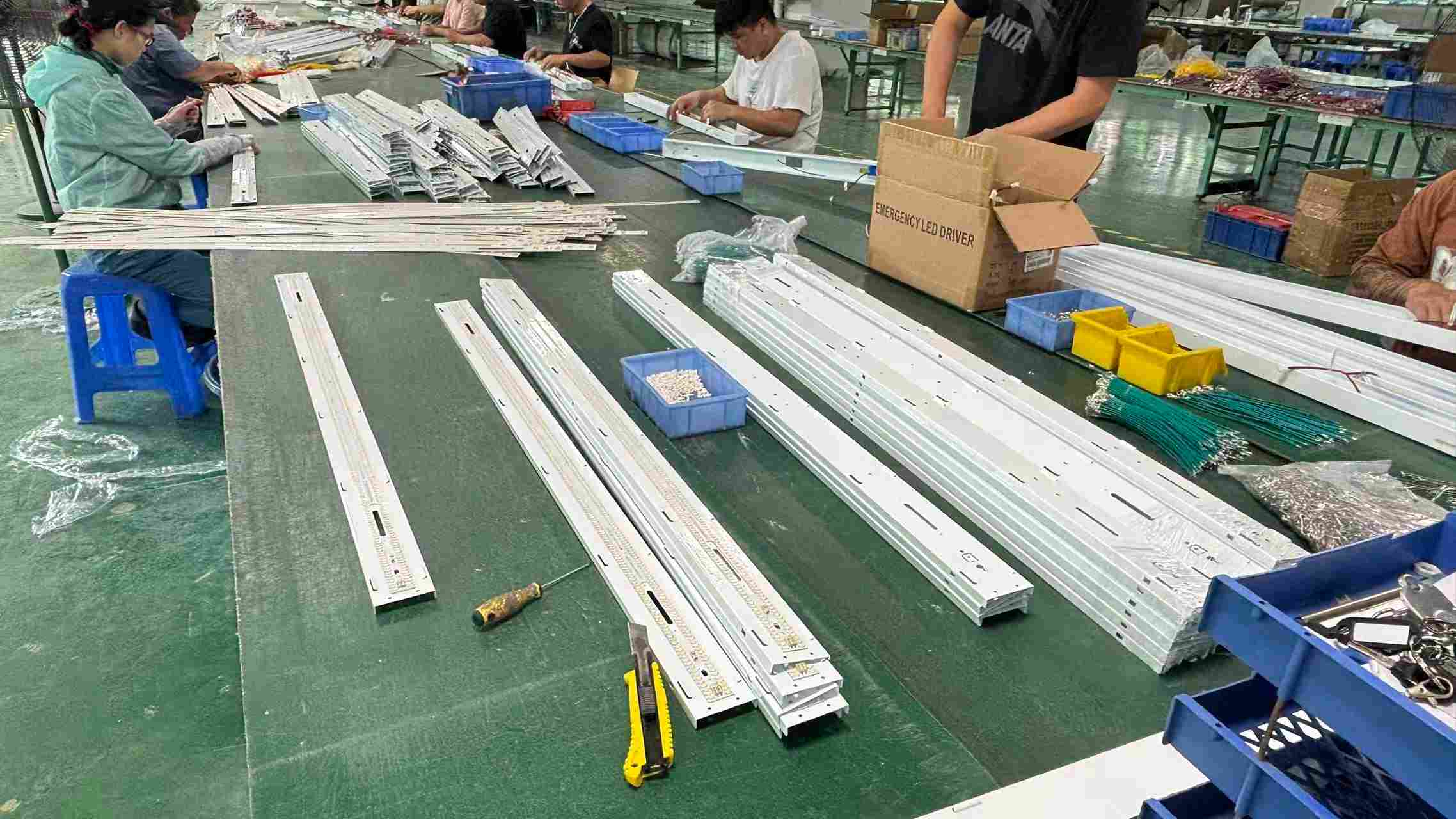
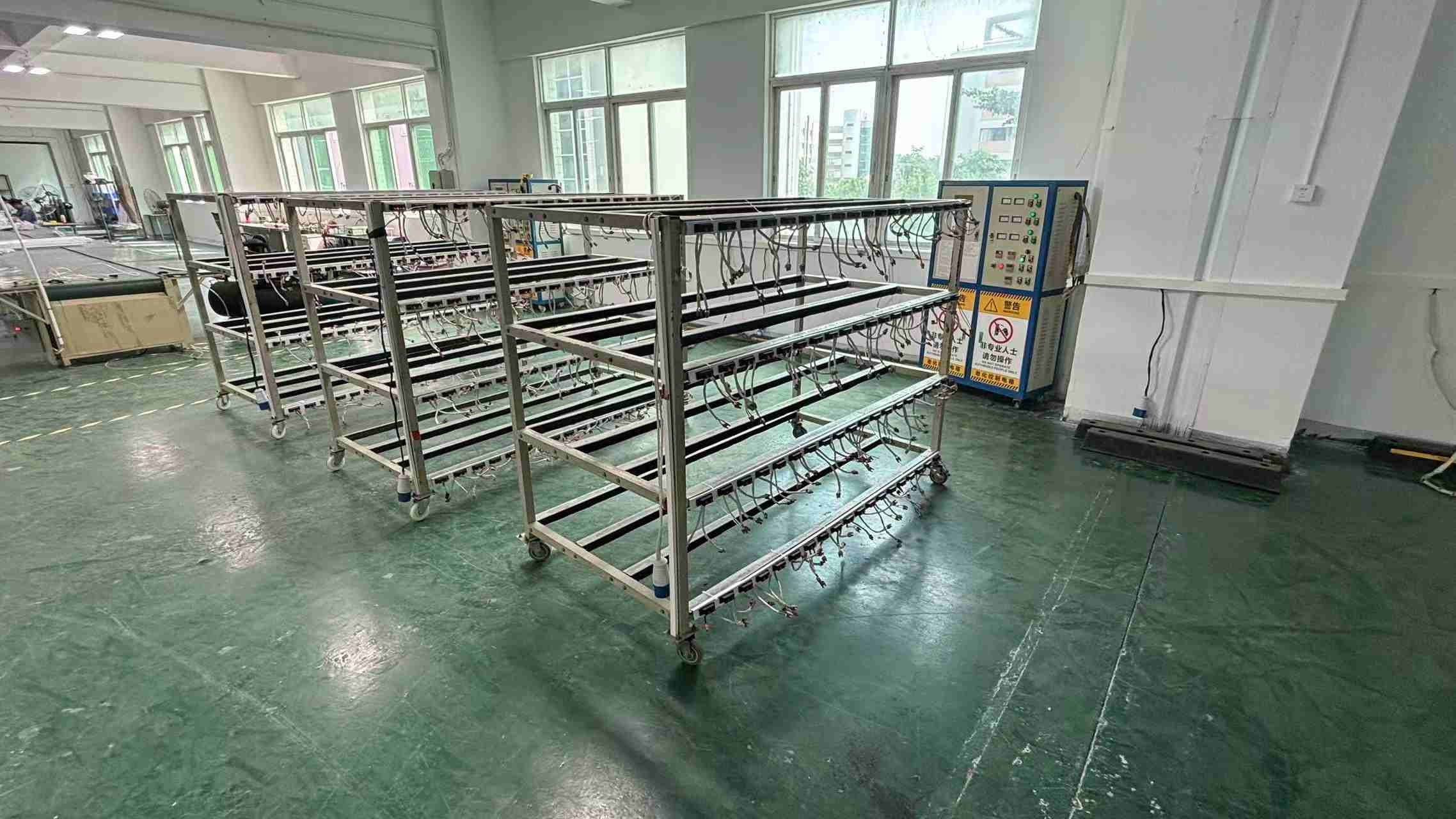
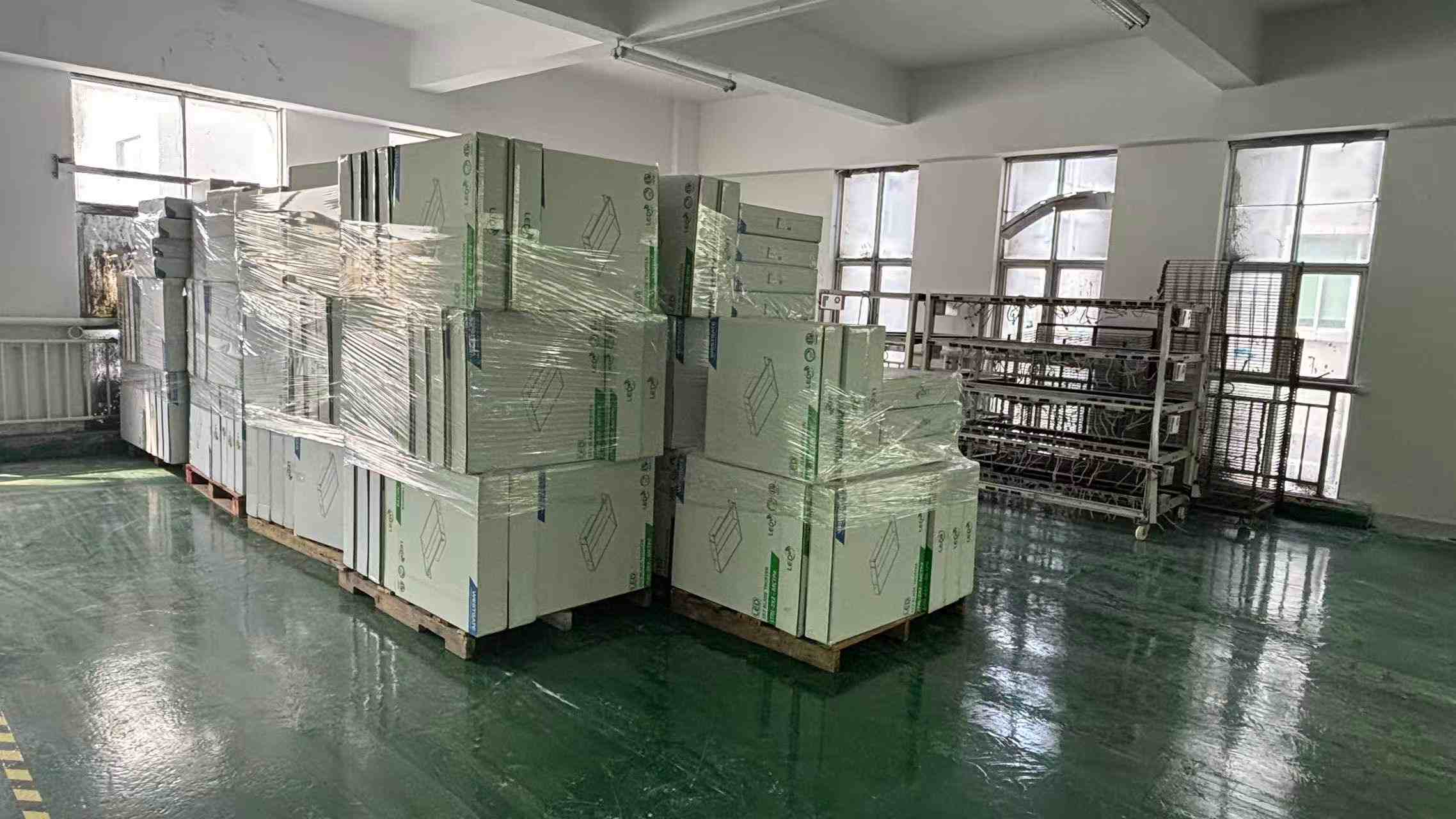
Established in 2010, Shenzhen Presta Light Co., Ltd. is a high-tech manufacturing enterprise specializing in commercial and industrial LED lighting solutions. Over the past decade, we have built a reputation for quality and reliability. Our facility is equipped with automated SMT production lines, advanced reflow soldering systems, high-precision laser cutting, CNC punching, and bending machinery. Every canopy luminaire goes through rigorous testing, including thermal profiling, high-voltage insulation tests, ingress protection checks, and a comprehensive 24-hour aging process prior to shipment.
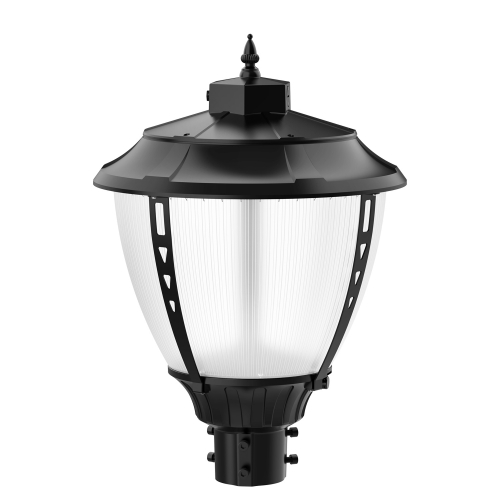
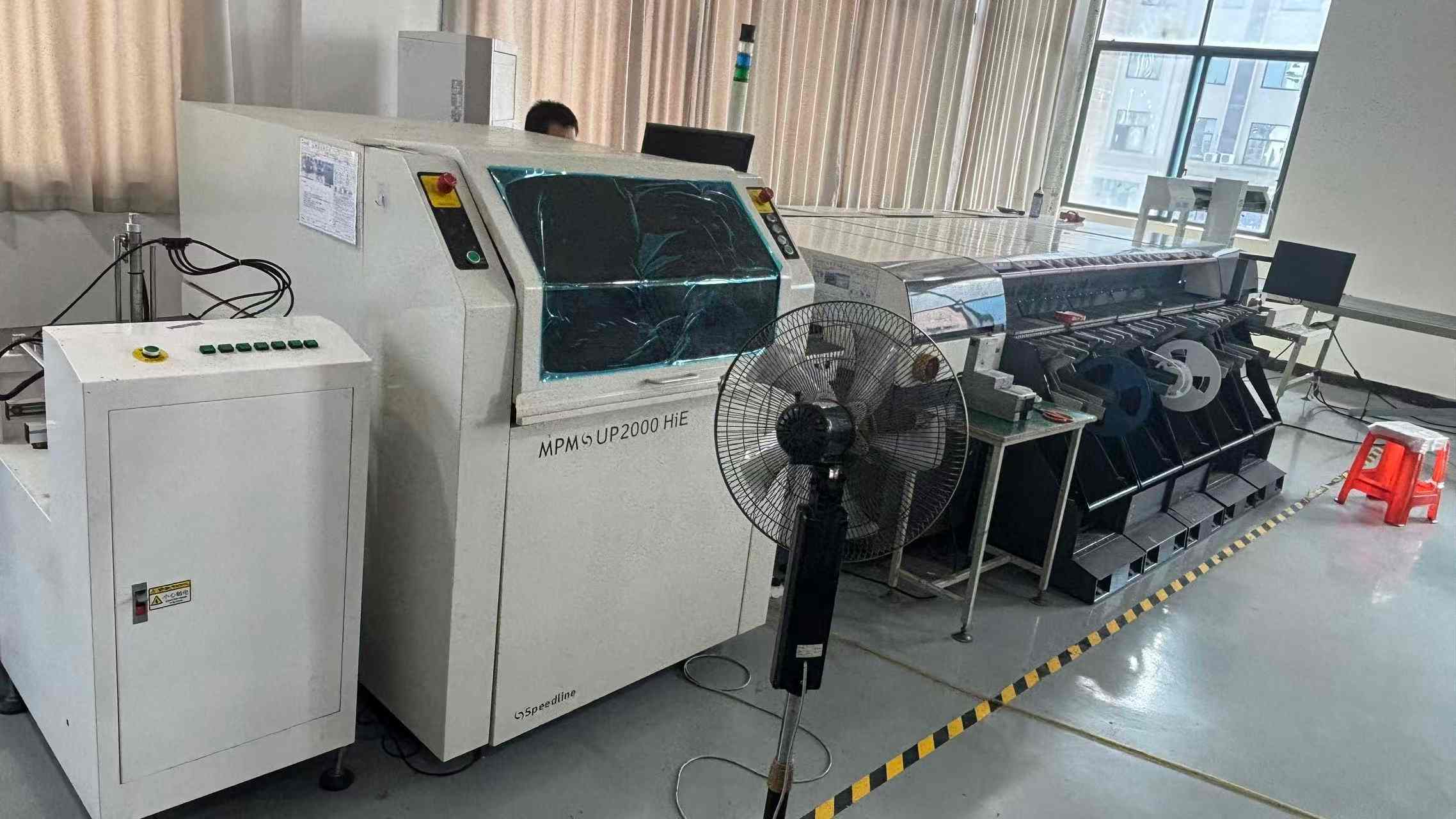
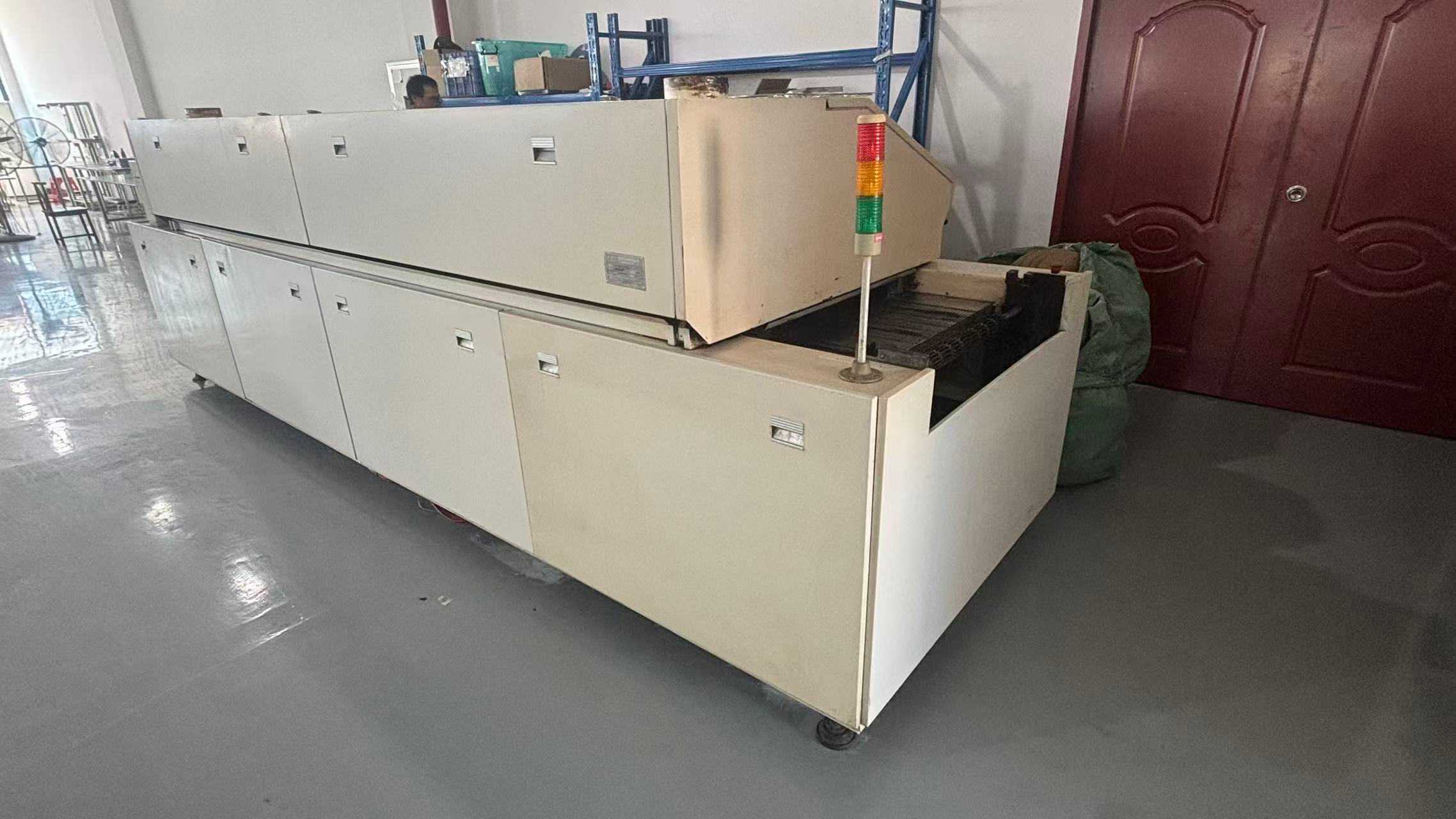
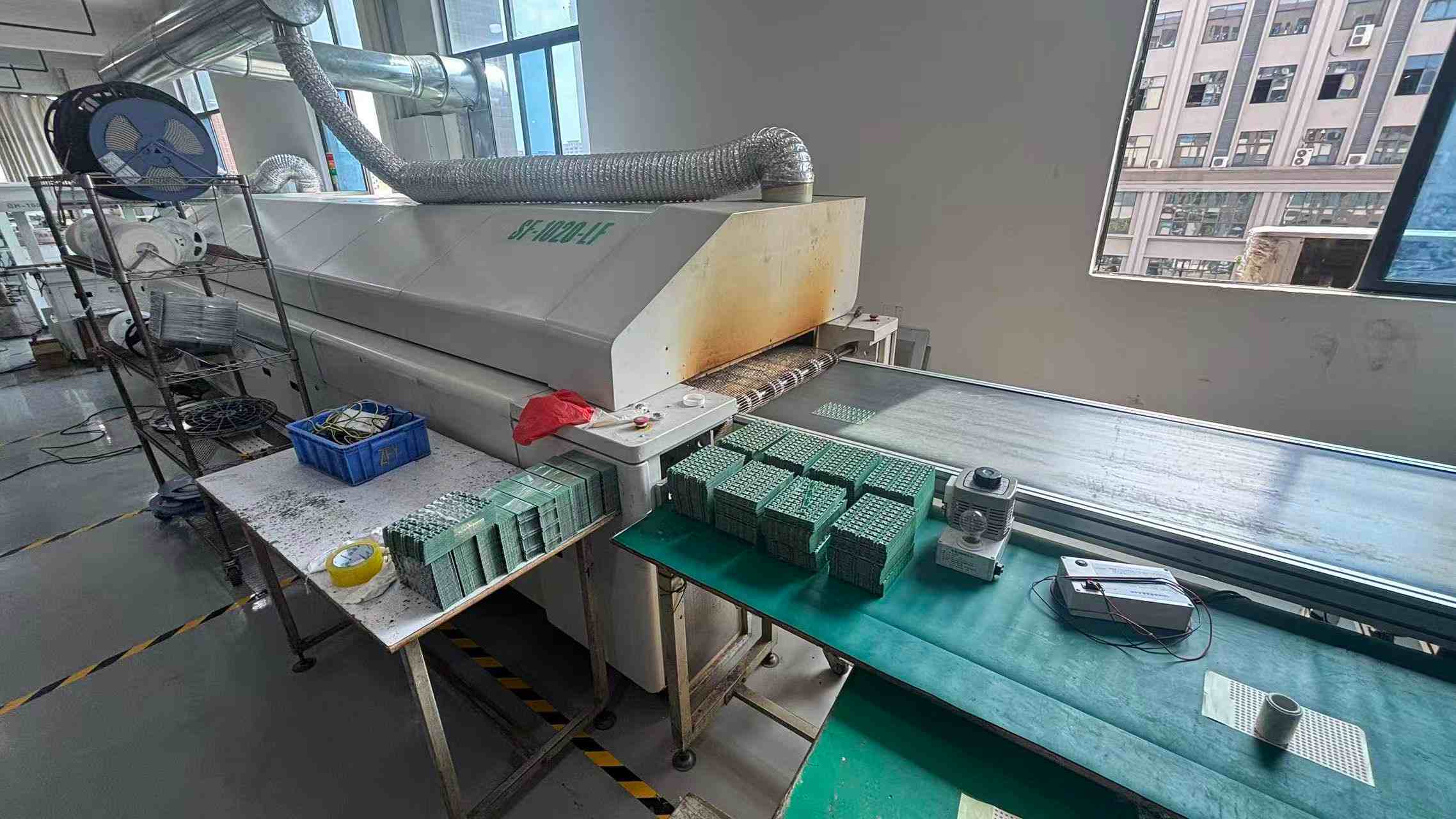
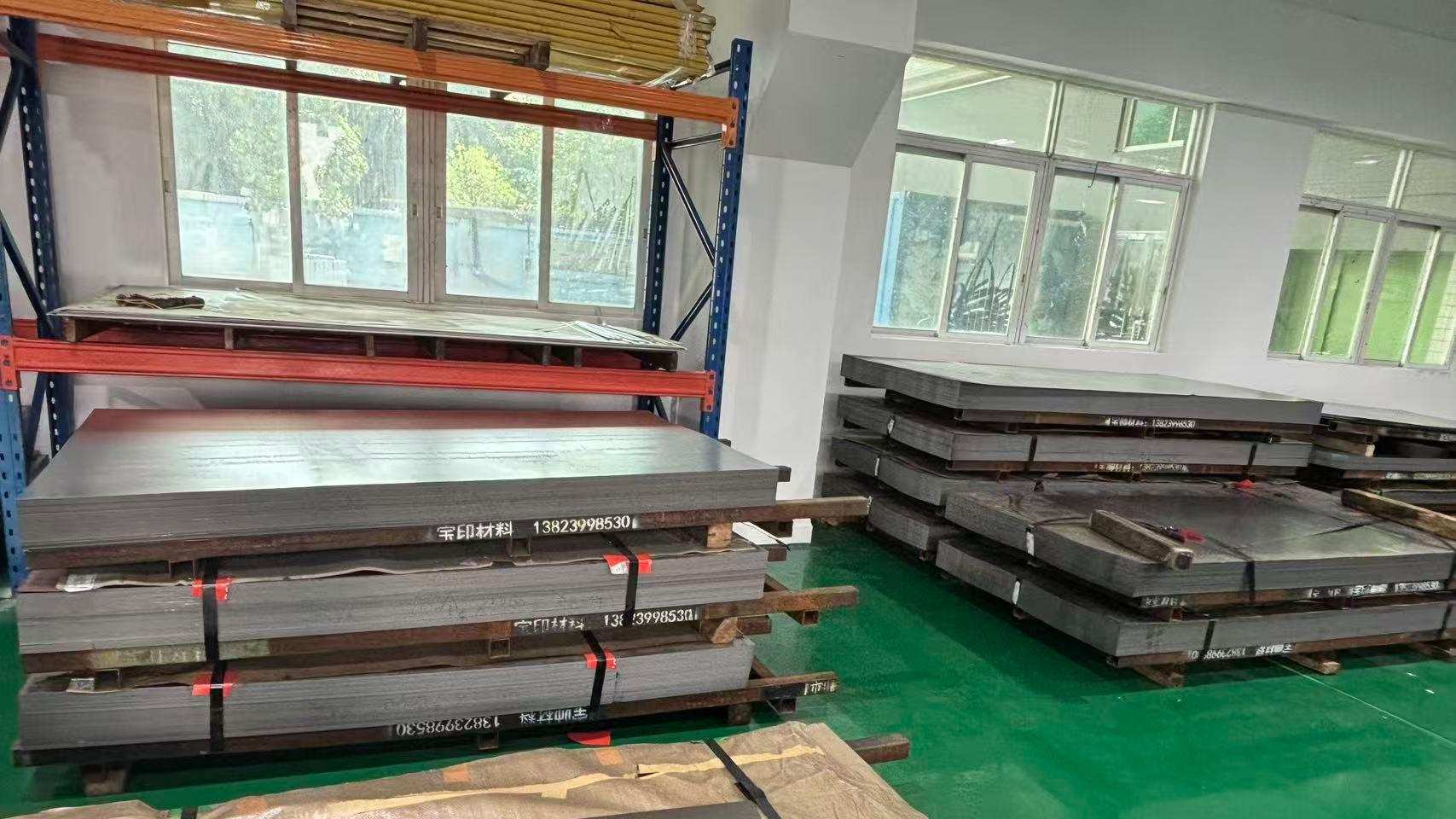
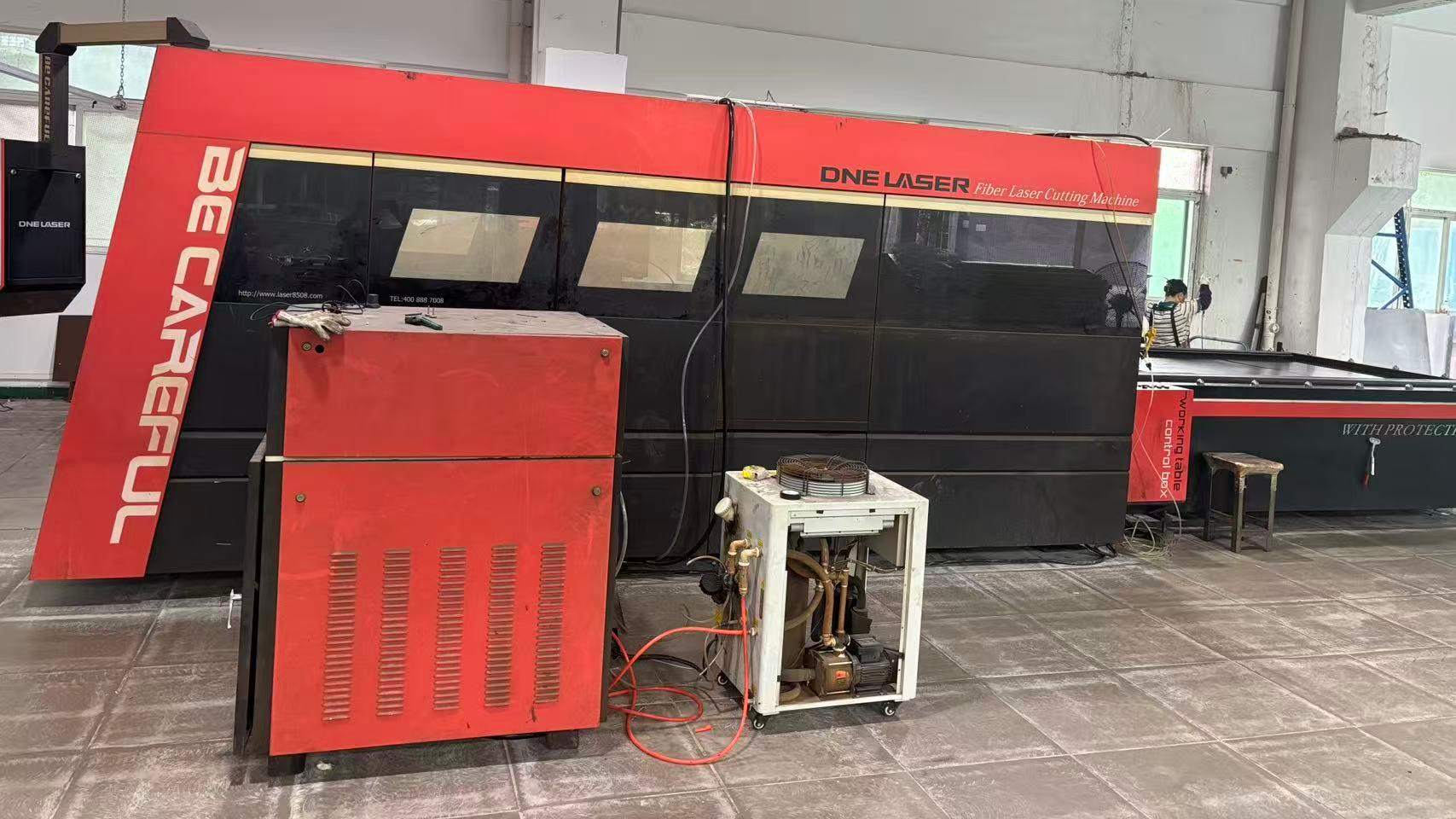
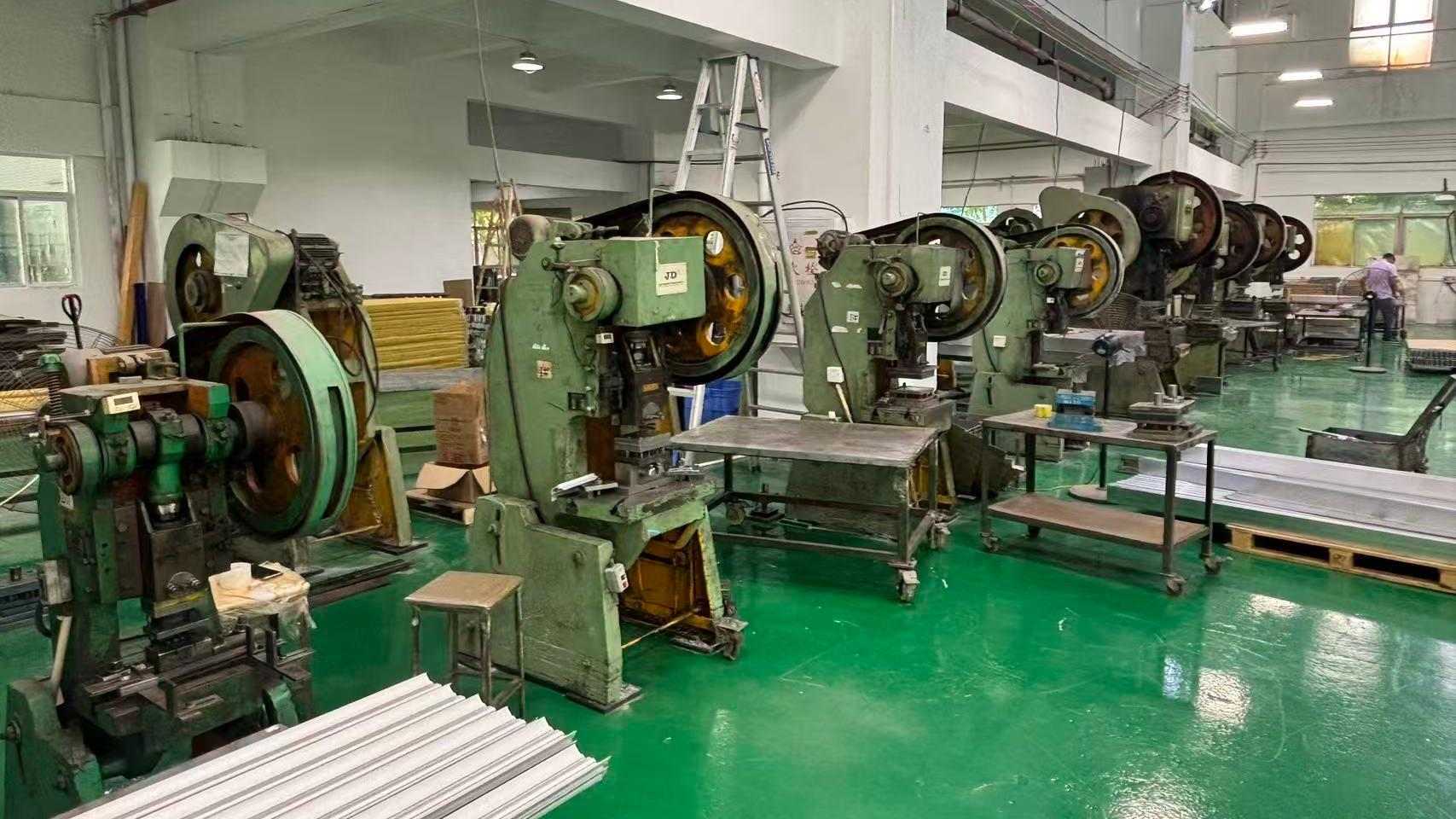
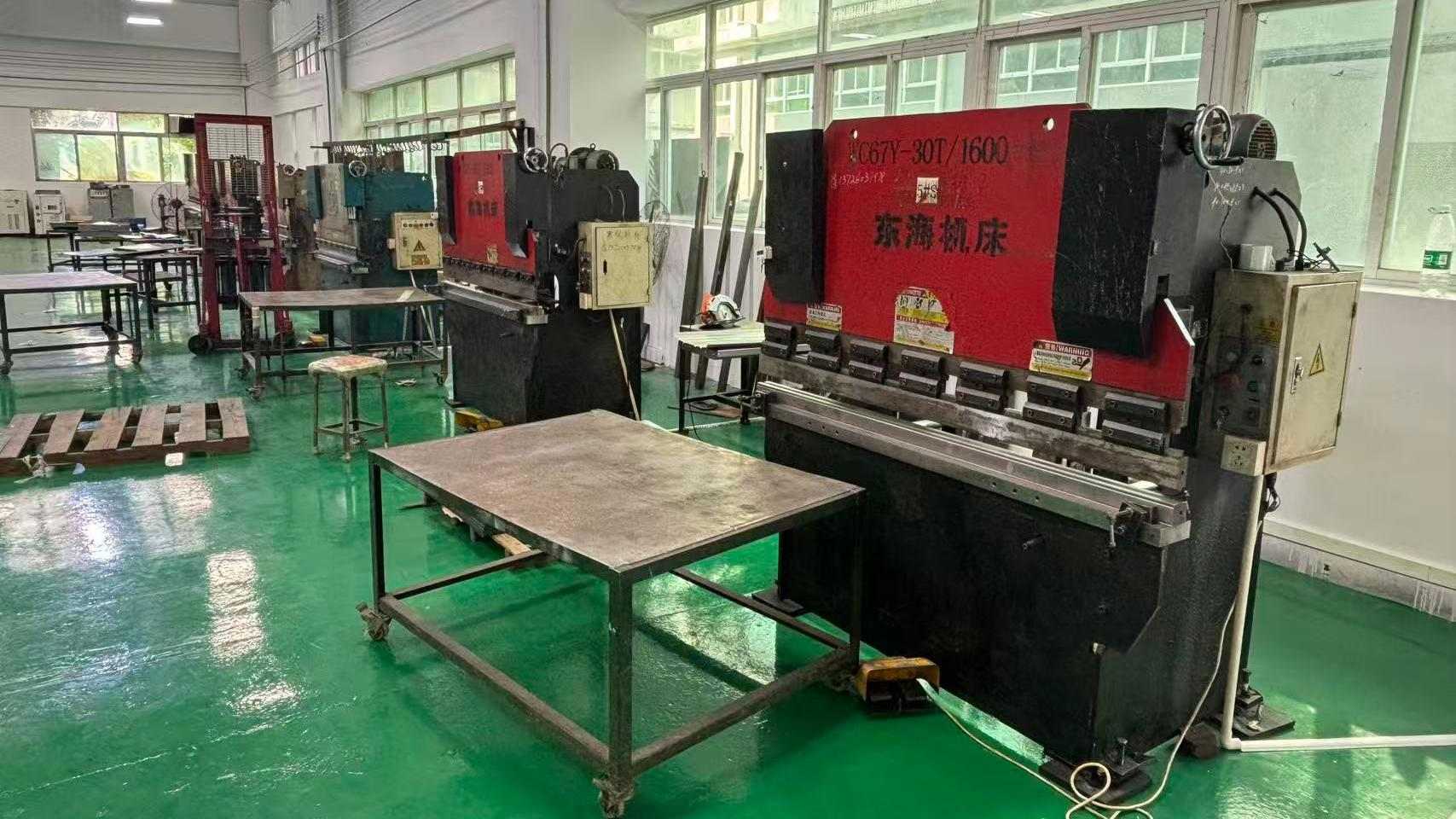
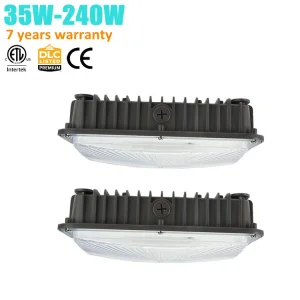
Our focus on quality control helps us meet international standards, including UL, cUL, ETL, and DLC certifications. We continuously update our design options to improve energy efficiency, thermal performance, and ease of installation, helping customers reduce operational costs and achieve long-term reliability.